


By Actual Holidays Nepal 30 Apr 2024
A Journey To The Roof Of The World: Trekking To Everest Base Camp
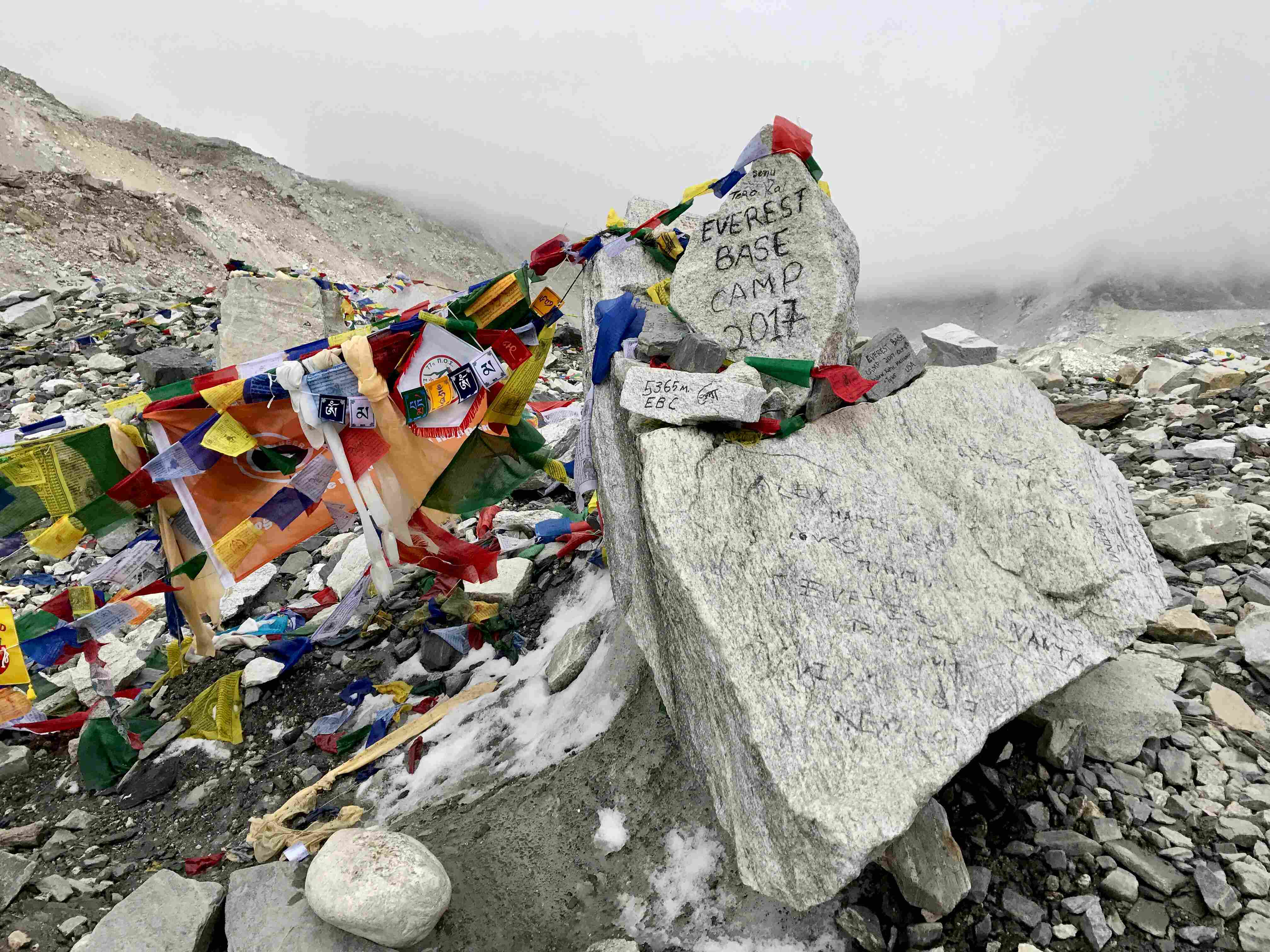
Embarking on the renowned trek to Everest Base Camp promises an odyssey unlike any other, weaving through the untamed magnificence of Nepal's Khumbu region. Here, where the air pulses with anticipation and the mountains tower majestically against the sky, intrepid explorers embark on a quest to conquer new summits, one stride at a time. Spanning 14 exhilarating days, this expedition envelops travelers in the vibrant tapestry of Himalayan culture. Each village along the route unveils its own enchanting array of customs and legends, from the vibrant markets of Namche Bazaar to the serene sanctuaries of Tengboche Monastery. Thoughtfully designed to blend challenge with rejuvenation, each day's trek spans 6 to 7 hours, allowing ample opportunities for discovery and camaraderie. Amidst shaded forests and rugged terrain, trekkers are treated to breathtaking panoramas and moments of profound introspection. And as the sun sets behind the majestic peaks, casting a golden hue over the village of Dingboche, the true magic of the Himalayas is unveiled. Here, beneath the shadow of the world's highest summit, every footfall becomes a testament to the unyielding spirit of human exploration and the endless allure of discovery. So, join us on this extraordinary journey, where the path to the pinnacle is as unforgettable as the summit itself.
Best Season for Trekking
Choosing the right time to trek to Everest Base Camp can make a big difference in your experience. The best seasons for trekking are spring, which is from March to May, and autumn, which is from September to November. During these months, the weather is usually stable, the skies are clear, and the temperatures are mild. This means you'll have ideal conditions for trekking and you'll get to enjoy breathtaking views of the Himalayas along the way.
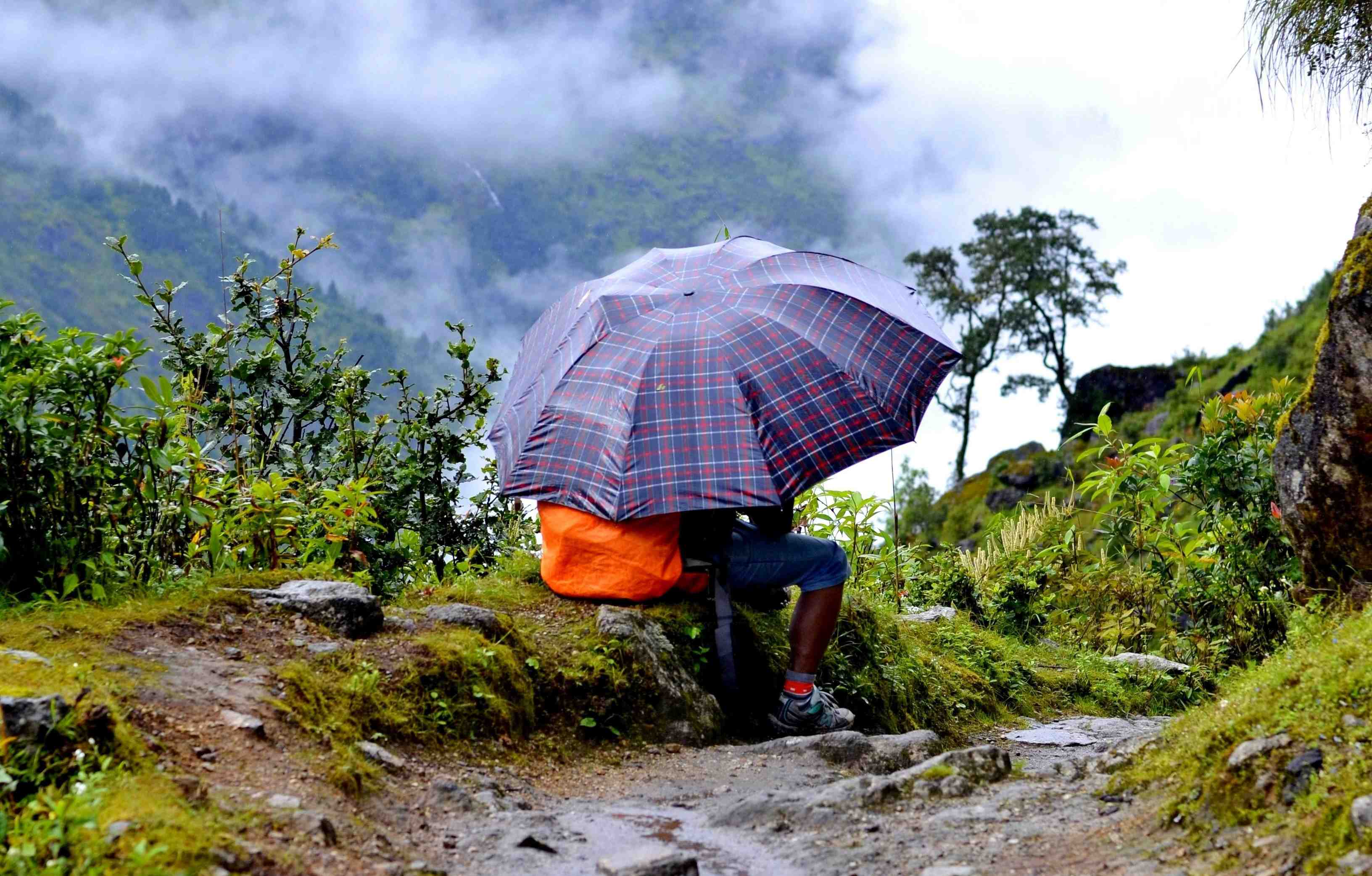
On the other hand, winter treks, from December to February, are possible but they can be quite cold, and some parts of the trail may be closed due to snow. And during the monsoon season, which is from June to August, there's heavy rainfall which can make trekking difficult and the views may be obstructed by clouds.
So, if you want to have the best experience and see the most beautiful views, it's best to plan your trek during the spring or autumn seasons when the weather is most favorable. This way, you can fully enjoy the adventure and the stunning landscapes of the Everest region.
Cost for Indian Trekkers
For Indian trekkers preparing to embark on the exhilarating journey to Everest Base Camp trek, it's essential to anticipate the various expenses that come with the adventure. Your budget will need to encompass several factors, including permits, guide and porter fees, accommodation, meals, and miscellaneous expenses.
Permits are a mandatory requirement for trekking in the Everest region, and their costs can vary depending on the time of year and specific permits needed. Guide and porter fees are also essential, especially for those who prefer assistance navigating the trails and carrying equipment.
Accommodation along the trekking route typically ranges from basic tea houses to more comfortable lodges, with costs varying accordingly. Similarly, meals are available at teahouses along the way, with options ranging from simple local fare to more elaborate dishes.
Additionally, miscellaneous expenses such as snacks, drinks, and souvenirs should be factored into your budget. It's crucial to account for these smaller costs, as they can add up over the course of the trek.
In terms of a ballpark figure, budgeting between ₹1,00,000 to ₹2,00,000 INR for a 12 to 14 day trek should provide a reasonable estimate of expenses. However, it's essential to consider individual preferences and requirements, as costs can vary based on factors like the level of comfort desired and any additional services or experiences planned along the way.
Researching and planning ahead can help ensure that you have adequate funds for the entire trip, allowing you to focus on enjoying the awe-inspiring landscapes and unforgettable experiences that await in the Himalayas.
Everest vs. Kilimanjaro
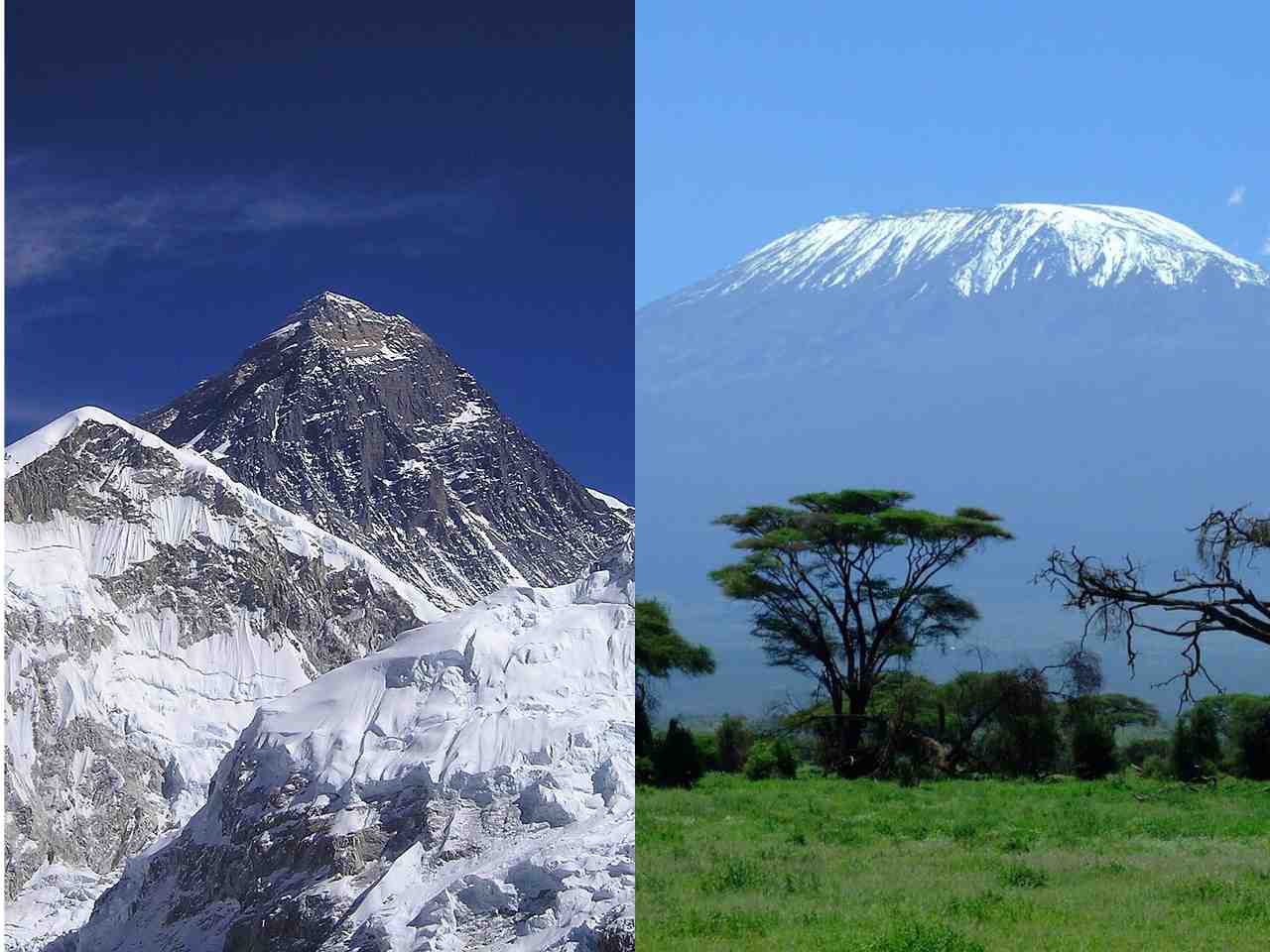
Comparing the Everest Base Camp and Mount Kilimanjaro treks reveals two distinct yet captivating adventures. Everest Base Camp (EBC) trek leads adventurers into the Himalayas, navigating rugged terrain and altitudes exceeding 5,000 meters. Trekkers face rocky trails, glacier crossings, and challenges like altitude sickness amidst stunning vistas. The journey immerses travelers in Sherpa culture, with encounters in Sherpa villages and ancient monasteries enriching the experience. Conversely, Mount Kilimanjaro's trek traverses diverse ecosystems, from lush rainforests to alpine deserts, culminating in Africa's highest peak at over 5,800 meters. The gradual ascent allows for better acclimatization, and trekkers witness unique flora and fauna along the way, interacting with local Chagga and Maasai communities to gain cultural insights. Accessibility differs, with EBC requiring a flight to Lukla and Kilimanjaro starting at Kilimanjaro International Airport. Accommodation ranges from tea houses to lodges on EBC and camping on Kilimanjaro, each providing essential amenities. Both treks offer personal challenges and achievements, fostering growth and admiration for the natural world. Whether standing amidst the Himalayan peaks or conquering Kilimanjaro's summit, trekkers emerge transformed by the awe-inspiring landscapes and their indomitable spirit.
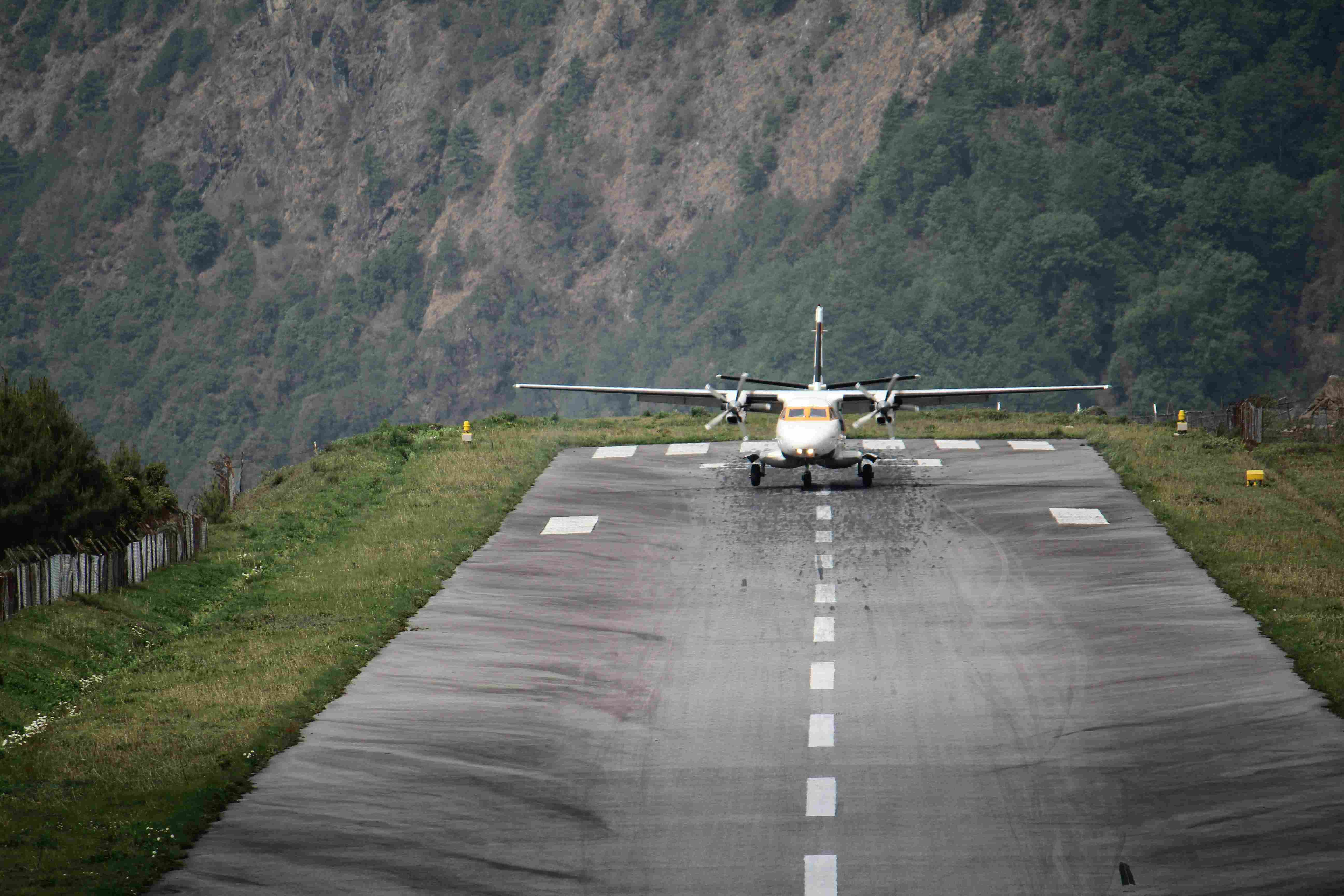
Flying to Lukla: The Most Dangerous Flight
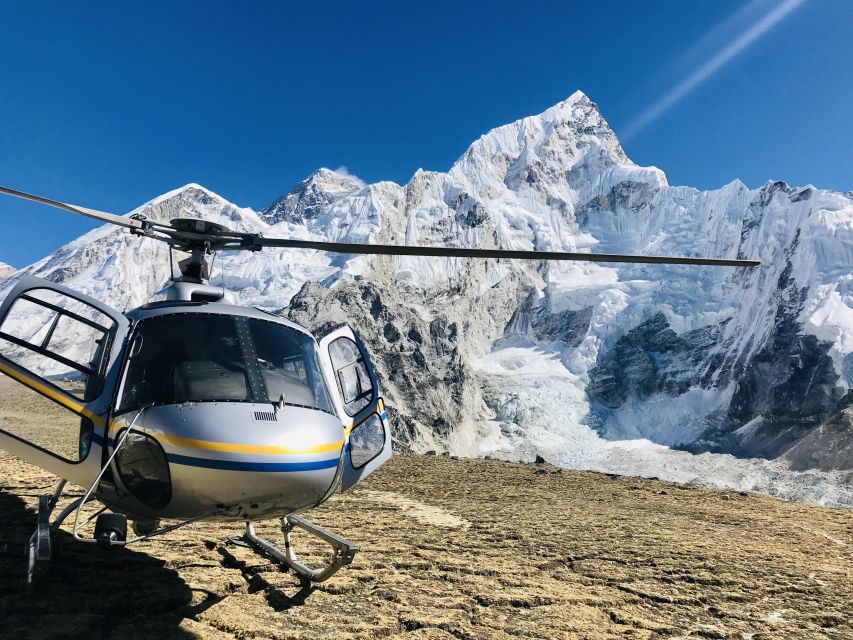
The flight to Lukla Airport stands as one of the most thrilling yet perilous experiences for trekkers embarking on the Everest Base Camp trek. Nestled amidst the rugged terrain of the Himalayas, Lukla Airport's short and sloping runway, coupled with unpredictable weather patterns, pose significant challenges for pilots and passengers alike. Pilots must navigate through narrow mountain valleys and contend with rapidly changing weather conditions, including strong winds and low visibility, adding to the complexity of the flight. Despite the inherent risks, the flight offers breathtaking aerial views of the Himalayan landscape, with towering peaks and deep valleys stretching as far as the eye can see. As the aircraft descends towards Lukla, passengers are treated to glimpses of remote Sherpa villages clinging to the mountainsides, providing a glimpse into the lives of the resilient mountain communities. The anticipation and excitement among passengers are palpable as the aircraft approaches the tiny airstrip carved into the mountainside. With precision and skill, pilots execute a challenging landing, gently touching down on the short runway amidst the backdrop of majestic peaks. Upon arrival, trekkers breathe a sigh of relief, grateful for the safe passage and eager to begin their adventure in the spectacular Khumbu region.
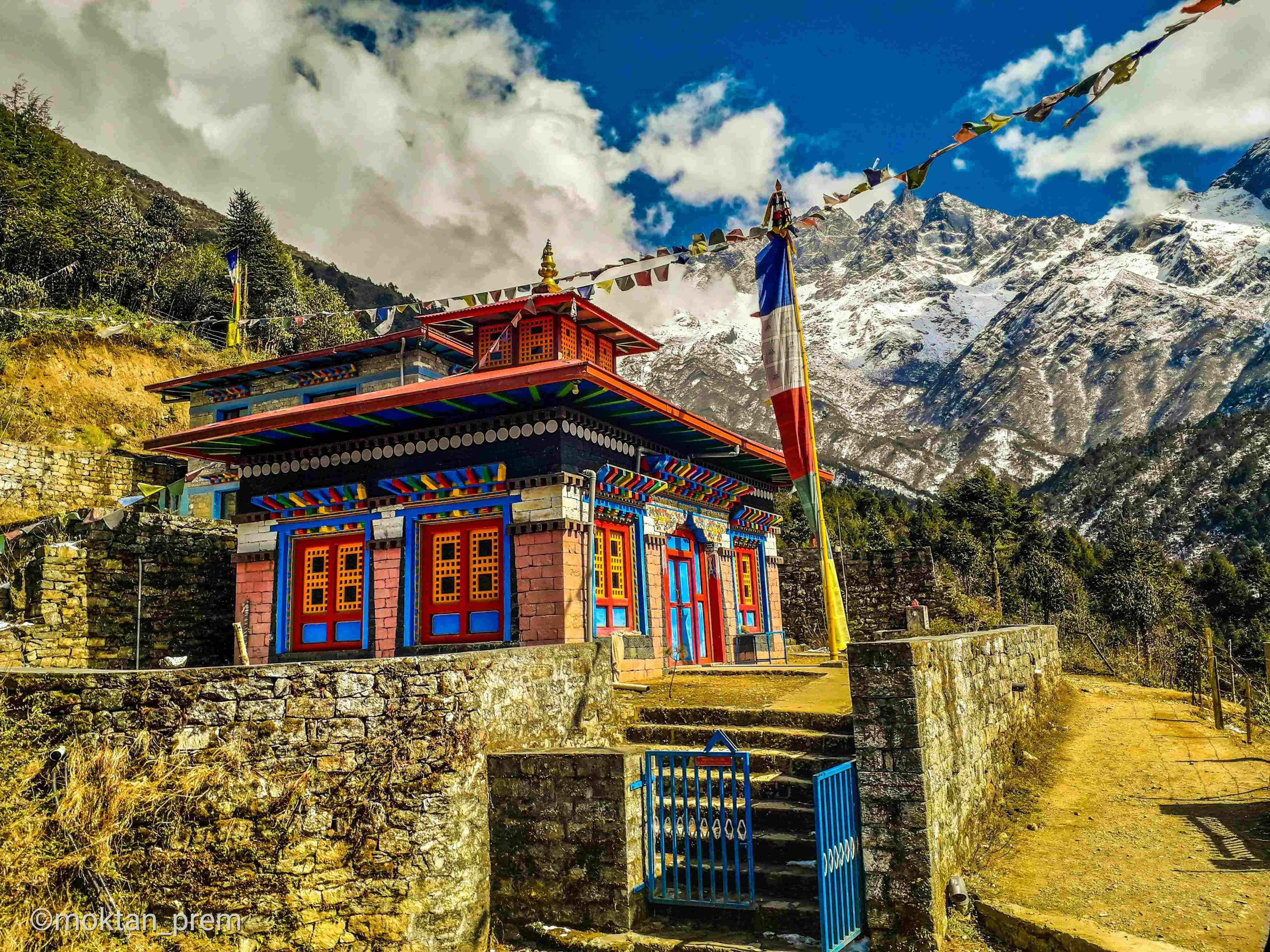
Tea Houses: Welcoming Refuges Along the Trail
Tea houses along the Everest Base Camp trail serve as vital sanctuaries for weary trekkers, offering not just shelter but also a warm and welcoming ambiance amidst the rugged Himalayan terrain. These rustic lodgings, often nestled in picturesque settings, provide a comforting respite from the challenges of the trail, fostering a sense of camaraderie and community among travelers from around the world. Upon arrival at a tea house, trekkers are greeted with hospitality by the local Sherpa hosts, who extend warm smiles and hearty greetings. The simple yet cozy accommodations typically consist of basic rooms furnished with comfortable beds and clean bedding, offering a much-needed reprieve after a day of trekking. Common areas, adorned with traditional décor and adorned with prayer flags, serve as gathering spaces where trekkers can relax, share stories, and forge new friendships over steaming cups of chai or coffee. Meals served at tea houses are hearty and nourishing, featuring a variety of Nepali and Tibetan dishes prepared with locally sourced ingredients. Trekkers savor delicious meals such as dal bhat (rice and lentils), momos (dumplings), and thukpa (noodle soup), replenishing their energy reserves for the journey ahead. Beyond providing physical comforts, tea houses offer trekkers a glimpse into Sherpa culture and way of life. Engaging with the hosts, learning about local customs, and participating in cultural exchanges enrich the trekking experience, fostering a deeper appreciation for the mountain communities that call this rugged landscape home.
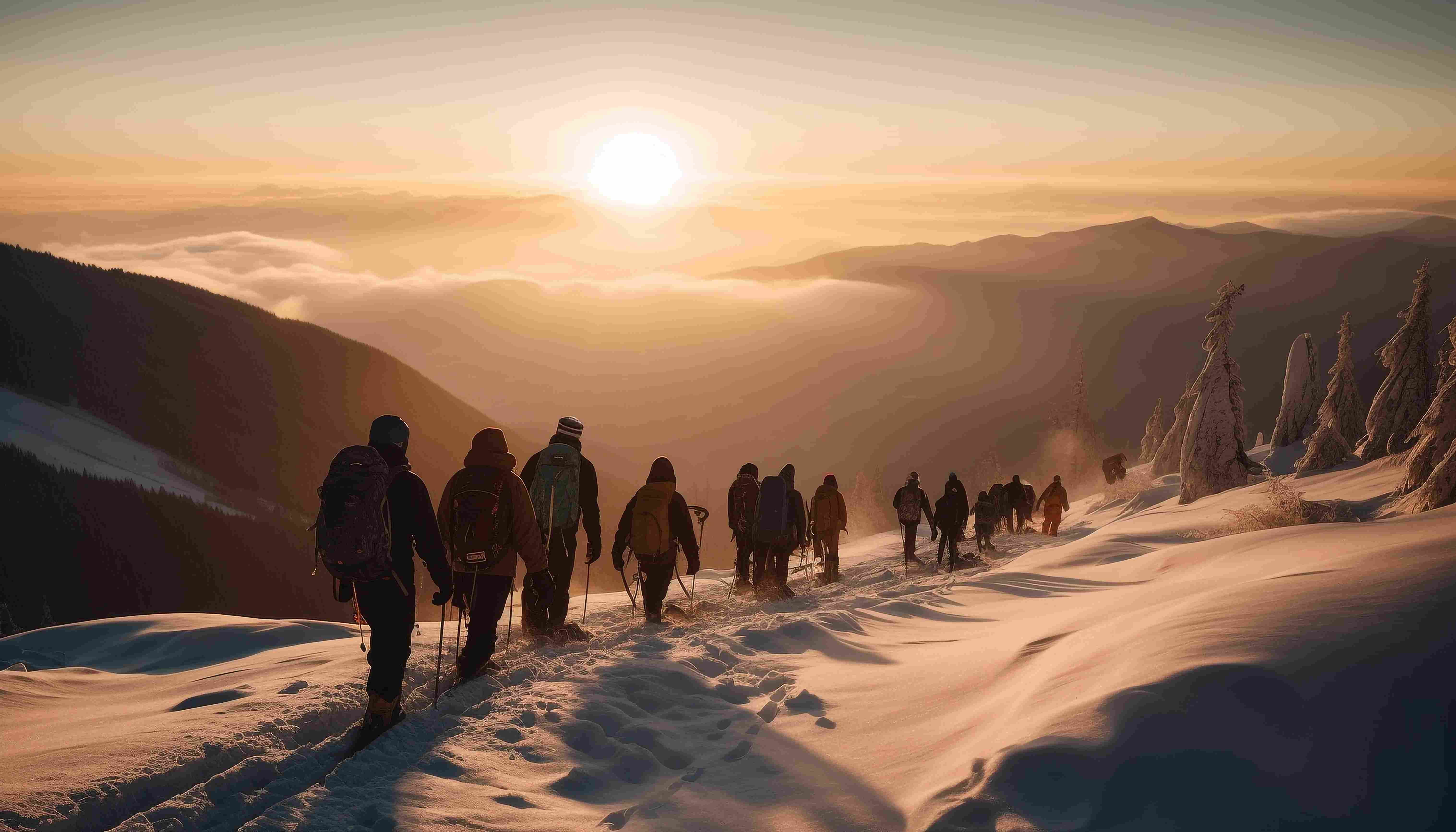
Early Walks and Mountain Vibes
In the realm of Everest Base Camp trekking, the allure of early morning walks and the unique mountain vibes they offer are an integral part of the experience. Rising with the first light of dawn, trekkers embark on a journey through landscapes bathed in the soft, golden hues of sunrise, a sight that inspires awe and wonder in equal measure. As the crisp mountain air fills their lungs, trekkers set out on trails that wind through rugged terrain, each step bringing them closer to the majestic peaks that loom on the horizon. The quiet solitude of the early morning hours provides a serene backdrop for introspection and reflection, offering trekkers a chance to connect with nature and themselves on a deeper level. The mountains themselves seem to come alive with the dawn, their towering peaks casting long shadows across the valleys below. The gentle murmur of streams and the occasional call of wildlife add to the symphony of sounds that accompany the trekker's journey, creating a sensory experience unlike any other. As the day unfolds, trekkers encounter fellow adventurers on the trail, exchanging greetings and sharing stories of their journey thus far. The camaraderie forged in these early hours strengthens as the trek progresses, forming bonds that transcend language and culture. But perhaps most magical of all are the moments of quiet contemplation, when trekkers pause to take in the breathtaking vistas that unfold before them. From panoramic mountain views to tranquil alpine meadows, each scene is a testament to the raw beauty and untamed wilderness of the Himalayas.
Altitude and Altitude-Related Sickness
Altitude and altitude-related sickness are critical considerations for trekkers embarking on the Everest Base Camp journey. As adventurers ascend to higher elevations, the thinning air and reduced oxygen levels pose significant challenges to the body's adaptation process. Altitude sickness, also known as acute mountain sickness (AMS), is a common ailment experienced by trekkers as they ascend to altitudes above 2,500 meters (8,200 feet). Symptoms typically include headaches, nausea, dizziness, fatigue, and difficulty sleeping. In severe cases, altitude sickness can progress to more serious conditions such as high-altitude cerebral edema (HACE) or high-altitude pulmonary edema (HAPE), which can be life-threatening if left untreated. Proper acclimatization is crucial for mitigating the risk of altitude sickness. Trekkers should ascend gradually, allowing their bodies time to adjust to the reduced oxygen levels. Rest days built into the itinerary provide opportunities for the body to acclimatize, while staying hydrated, maintaining a steady pace, and avoiding alcohol and tobacco can help minimize the risk of altitude-related illnesses. In addition to acclimatization, recognizing the symptoms of altitude sickness and taking appropriate action is essential for ensuring the safety of trekkers. If symptoms persist or worsen, descending to lower altitudes is the most effective treatment for altitude sickness. Trekkers should communicate openly with their guides and fellow travelers, seeking assistance if they experience any signs of distress.
Habitat and Glaciers
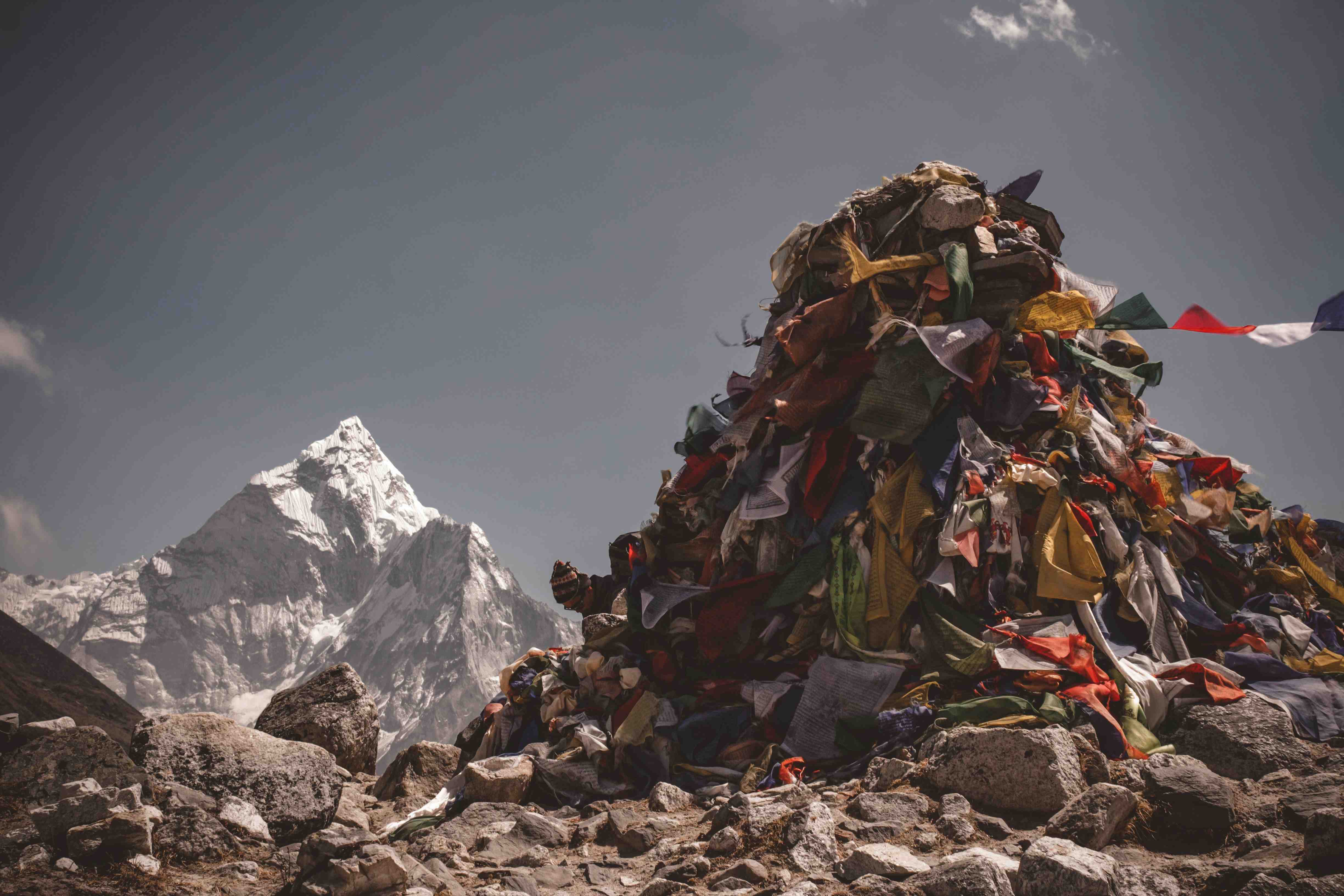
The habitat and glaciers along the Mount Everest Base Camp trek offer a captivating glimpse into the diverse and awe-inspiring landscapes of the Himalayas. As trekkers traverse through the Khumbu region of Nepal, they encounter a rich variety of habitats, ranging from lush forests teeming with biodiversity to barren alpine meadows and rugged, snow-covered terrain. Throughout the trek, trekkers pass through verdant rhododendron forests, where vibrant blooms add splashes of color to the landscape and provide sanctuary to a myriad of wildlife species, including elusive Himalayan birds and mammals such as musk deer and snow leopards. As the elevation increases, the vegetation gradually gives way to alpine scrub and hardy grasses, adapted to withstand the harsh conditions of high altitude. One of the most striking features of the Everest Base Camp trek is the presence of majestic glaciers that cling to the slopes of the surrounding peaks. Glaciers such as the Khumbu Glacier and the Ngozumpa Glacier are formidable rivers of ice, carving their way through the landscape and leaving behind a trail of crevasses and icefalls. These glaciers serve as a reminder of the immense forces of nature at work in the Himalayas and provide trekkers with unparalleled opportunities to witness the dynamic processes of glaciation firsthand. As trekkers journey towards Everest Base Camp, the ever-changing habitat and glaciers of the Khumbu region serve as constant companions, offering both beauty and challenges along the path to one of the world's most iconic destinations.
How to Prepare for the Everest Base Camp Trek
Preparing for the Everest Base Camp trek necessitates comprehensive physical, mental, and logistical preparations. Start by conditioning your body through regular cardiovascular exercise, strength training, and hiking on varied terrain to build endurance and resilience. Undertaking shorter hikes at altitude helps familiarize your body with the challenges of high-altitude trekking. Pack essential gear such as sturdy hiking boots, warm layers, and high-altitude medication to mitigate risks associated with the harsh mountain environment. Researching the trek route, weather conditions, and accommodation options beforehand ensures informed decision-making and enhances preparedness. Hydration, nutrition, and rest are paramount; prioritize staying hydrated, consuming nutritious meals, and allowing ample time for recovery between treks. Additionally, mental readiness is crucial; cultivate a positive mindset, acknowledge and prepare for potential challenges, and maintain flexibility in your plans to adapt to changing circumstances. Lastly, approach the journey with humility and respect for the mountain environment. Recognize the significance of the undertaking and embrace the opportunity for personal growth and adventure. By diligently preparing your body, mind, and logistics, you set yourself up for a safe, enjoyable, and transformative experience on the Everest Base Camp trek.

Bridges and Mountain People
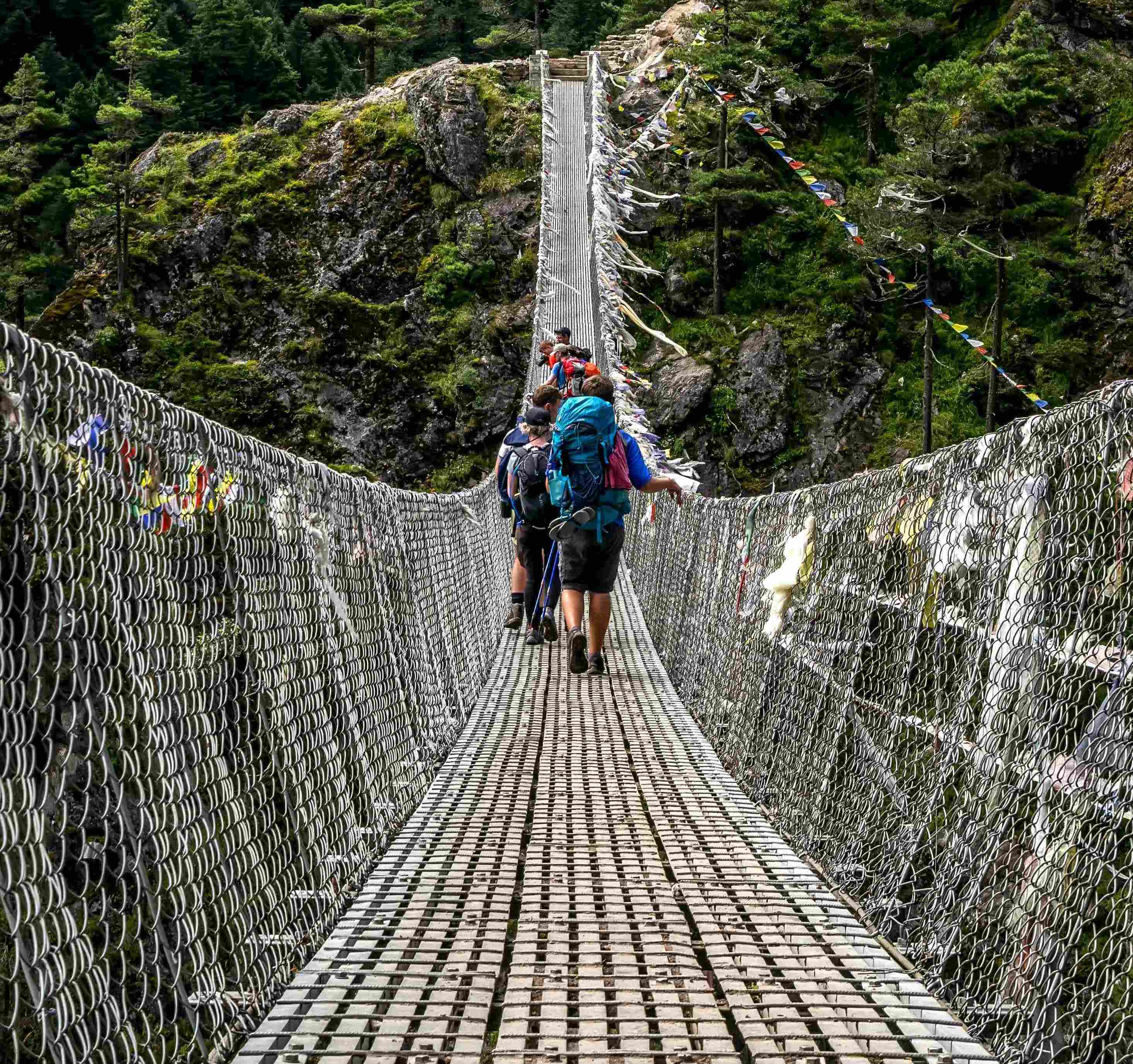
Bridges and mountain people play pivotal roles along the Everest Base Camp trek, adding depth and richness to the journey through the Himalayas. As trekkers navigate the rugged terrain of Nepal's Khumbu region, they encounter a network of suspension bridges that span roaring rivers and deep gorges. These bridges, crafted from wood and steel cables, are essential lifelines connecting remote mountain villages and providing safe passage for travelers. Crossing these bridges, swaying gently over rushing waters, offers trekkers thrilling experiences and stunning views of the surrounding landscape. Additionally, the mountain people of the Khumbu region, primarily the Sherpa ethnic group, are integral to the Everest Base Camp trekking experience. Known for their resilience, hospitality, and mountaineering expertise, Sherpas have long served as guides, porters, and companions to trekkers seeking to conquer the world's highest peak. Interactions with Sherpa villagers along the trek route offer trekkers insights into their rich cultural heritage, traditions, and way of life in the high Himalayas. Trekkers may visit local homes, share meals with Sherpa families, and learn about their customs, beliefs, and daily routines, forging meaningful connections that transcend language and cultural barriers. As trekkers journey through the Khumbu region, the bridges they cross and the mountain people they encounter become integral parts of the tapestry of experiences that make the Everest Base Camp trek a truly unforgettable adventure.
Namche Bazaar: Heartbeat of the Everest Region
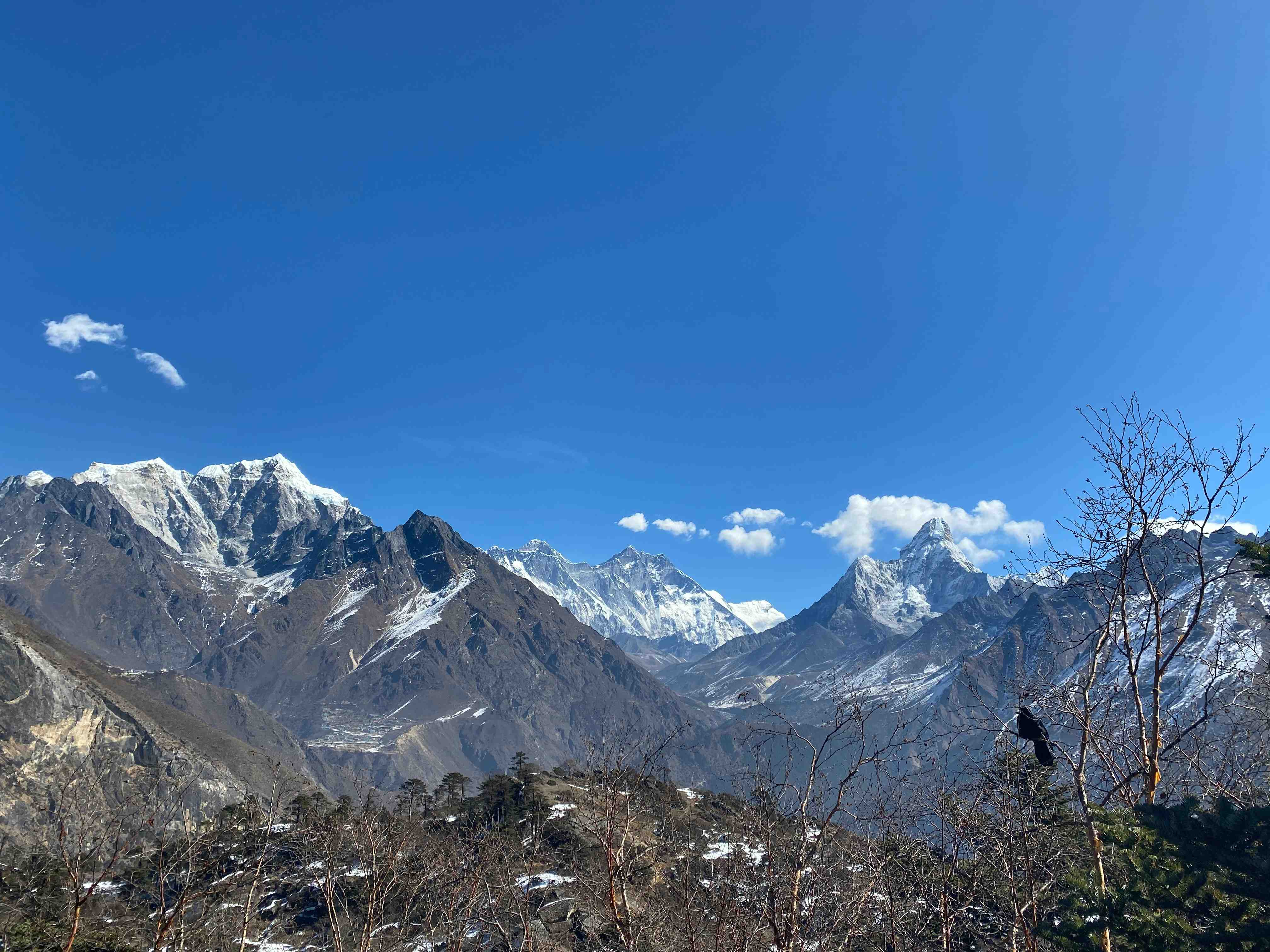
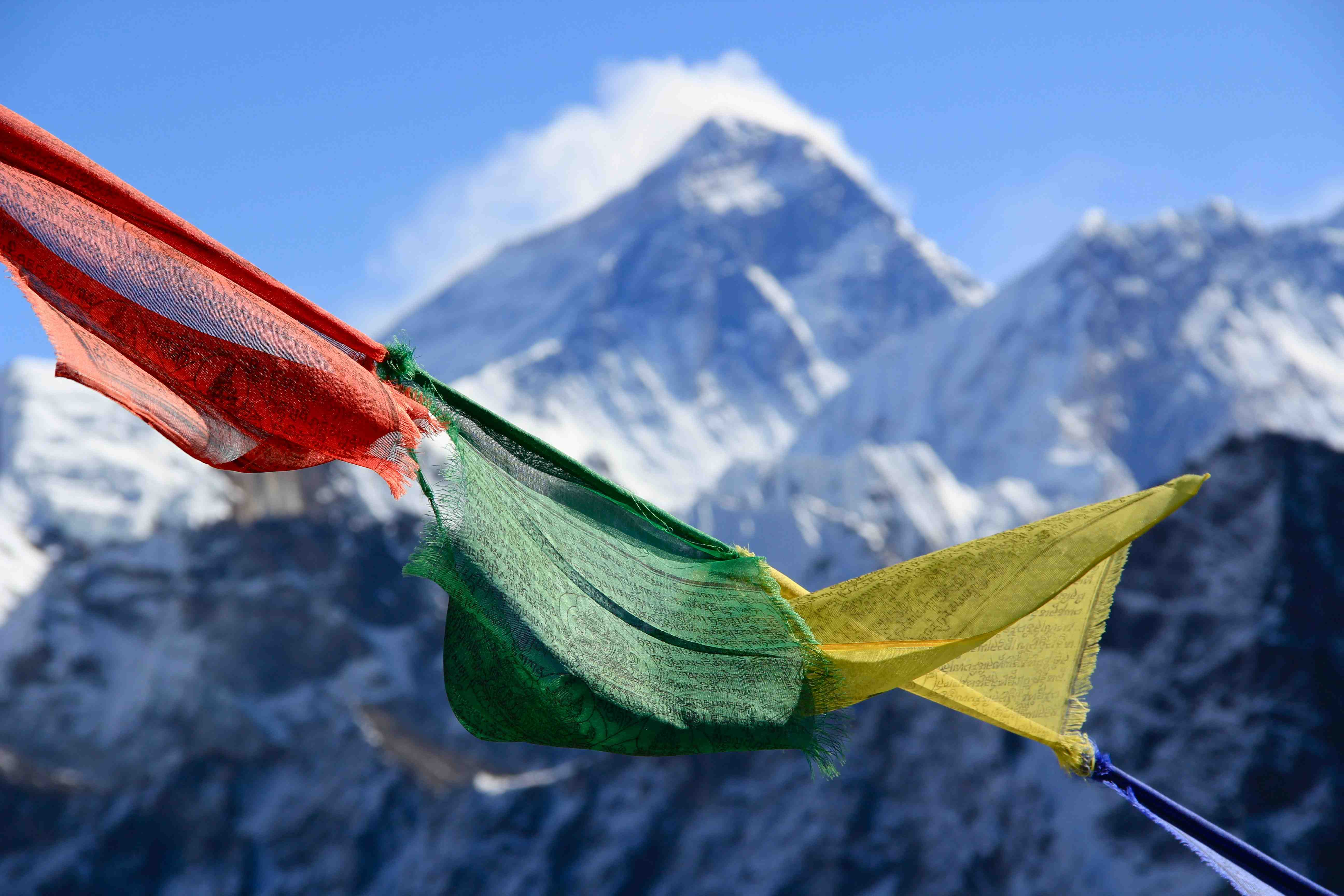
Nestled within the cradle of the Himalayan foothills, Namche Bazaar pulsates as the vibrant epicenter of the Everest region, an animated tapestry of culture and commerce set against the formidable backdrop of towering peaks. As trekkers ascend through the rugged Khumbu terrain, Namche emerges as a sanctuary of respite, offering a harmonious fusion of tradition and contemporary allure. Celebrated as the pivotal gateway to the Everest Base Camp trek, Namche Bazaar greets adventurers with its bustling markets, kaleidoscopic prayer flags, and labyrinthine stone pathways that meander through the town's heart. Here, weary travelers find a treasure trove of amenities, from quaint teahouses exuding warmth to bakeries perfuming the air with the aroma of freshly baked delicacies, and boutiques showcasing an array of expedition gear and local handicrafts. Yet, Namche transcends its utilitarian role; it's a cultural nexus where trekkers and locals converge, exchanging tales, laughter, and forging bonds that transcend cultural boundaries. Enriched by its Sherpa heritage, Namche pulsates with the rhythms of tradition woven seamlessly into everyday life. Perched majestically on a hillside, Namche Bazaar bestows upon its visitors sweeping vistas of the verdant Dudh Koshi River valley and the sentinel peaks of Thamserku and Kongde Ri. As adventurers traverse its cobbled streets and explore surrounding trails, they are ensnared by a sensory symphony that encapsulates the essence of Himalayan allure and hospitality. In essence, Namche Bazaar serves as the veritable beating heart of the Everest realm, a beacon of cultural richness, and an oasis of adventure amidst the awe-inspiring grandeur of the Himalayas.

The Culture of the Sherpas
The culture of the Sherpas, an indigenous ethnic group native to the Himalayan regions of Nepal, is steeped in rich traditions, resilience, and reverence for the mountains. Renowned as skilled mountaineers and trusted guides, Sherpas have carved a distinct identity shaped by their deep connection to the land and its spiritual significance. At the heart of Sherpa culture is a profound respect for nature and the mountains, which are revered as sacred and imbued with spiritual significance. Sherpas practice Tibetan Buddhism, with monasteries and stupas dotting the landscape, serving as spiritual sanctuaries and centers of community life. Buddhist rituals and festivals, such as Losar (New Year) and Dumje (Sherpa festival), are celebrated with fervor, featuring colorful ceremonies, masked dances, and religious rituals that honor local deities and ancestors. Sherpa society is characterized by strong communal bonds and a spirit of cooperation, exemplified by the tradition of communal labor known as "khet" and the practice of mutual assistance during times of need. Hospitality is ingrained in Sherpa culture, with guests welcomed with open arms and treated with warmth and generosity. The Sherpa language, a dialect of Tibetan, serves as a cornerstone of cultural identity, passed down through generations alongside oral traditions, folk tales, and legends that illuminate Sherpa history and heritage. Despite modern influences and the challenges of globalization, Sherpa culture endures as a beacon of resilience and tradition, embodying the enduring spirit of the Himalayan people.

The Everest Disaster of 1996
The disaster was precipitated by a combination of factors, including overcrowding on the mountain, communication breakdowns, and the sudden onset of a fierce storm. On May 10, 1996, two teams led by experienced guides, Rob Hall and Scott Fischer, set out to reach the summit of Everest. However, delays in the ascent and unanticipated challenges, such as bottlenecks at key sections of the route and deteriorating weather conditions, led to critical errors in judgment and decision-making. As the climbers pushed toward the summit, they were confronted by a powerful storm with hurricane-force winds and sub-zero temperatures. Stranded in the treacherous "death zone" above 8,000 meters (26,000 feet), climbers faced exhaustion, hypothermia, and altitude sickness, exacerbating the already perilous situation. Despite heroic efforts by guides and fellow climbers to rescue those in distress, the storm exacted a devastating toll, claiming the lives of eight climbers, including Rob Hall and Scott Fischer. The tragic events of that fateful day underscored the inherent risks of high-altitude mountaineering and prompted soul-searching within the climbing community about the commercialization of Everest and the pursuit of summit success at any cost.

Money Problems on the Trek
While many tea houses along the Everest Base Camp route accept cash payments in Nepalese Rupees (NPR), it's advisable to carry sufficient funds in small denominations to cover expenses such as meals, accommodation, and incidentals. Trekkers should also inform their banks of their travel plans to avoid card issues and consider carrying a mix of cash and cards for added flexibility. Additionally, it's essential to budget wisely and plan for unexpected expenses to ensure a smooth trekking experience.
Conclusion
Trekking to Everest Base Camp is an unparalleled adventure that combines breathtaking natural beauty, cultural immersion, and personal challenge. From the exhilarating flight to Lukla to the vibrant markets of Namche Bazaar and the awe-inspiring glaciers of the Himalayas, every step of the journey offers new experiences and insights. By embracing the spirit of adventure, respecting the mountain environment, and immersing oneself in Sherpa culture, trekkers embark on a transformative journey to the roof of the world.
Recent From Blogs

21 Apr 2024


26 May 2024


29 May 2024