

By Actual Holidays Nepal 03 Jun 2024
Yoga And Trekking Retreats On Nepal’s Trails
Combining the physical challenge of trekking with the mental and spiritual benefits of yoga, Nepal offers a unique blend of adventure and tranquility that can be experienced through yoga and trekking retreats. These retreats are designed for those seeking a holistic travel experience, where the stunning landscapes of the Himalayas meet the serenity of yoga practice. Here’s a detailed exploration of this enriching experience.
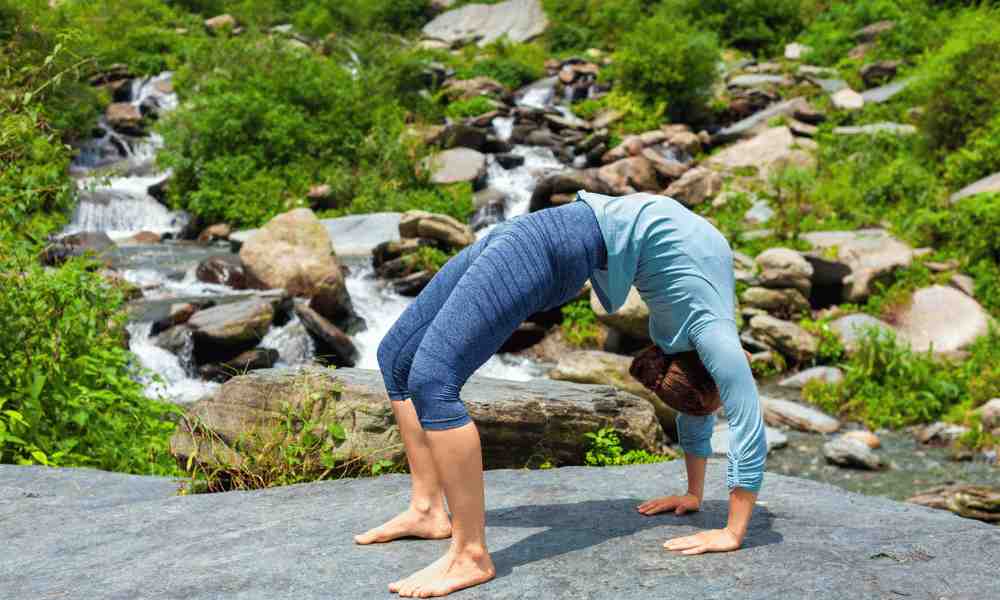
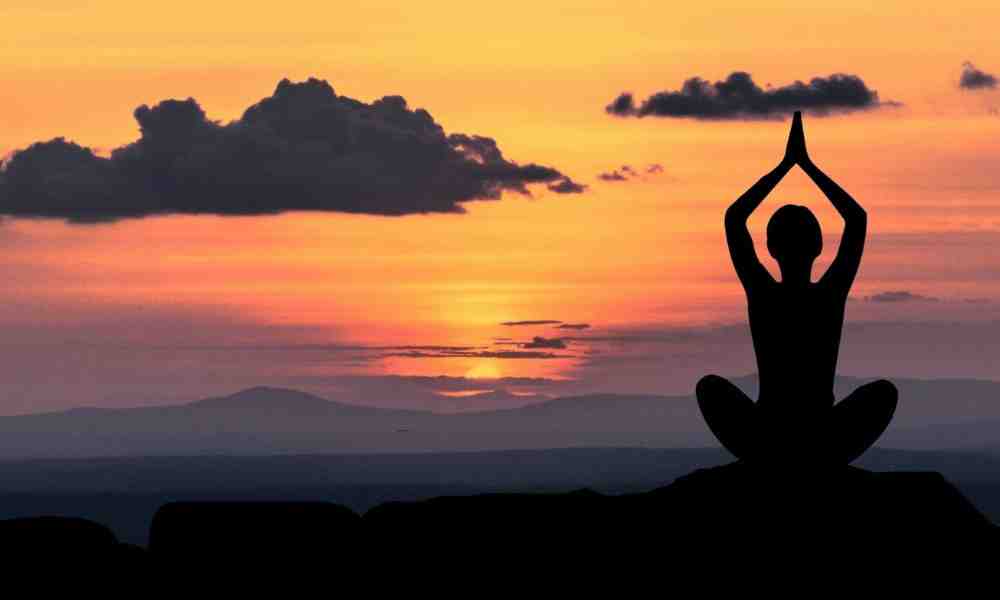
The idea of combining trekking and yoga is rooted in the belief that physical activity and spiritual practice complement each other perfectly. Trekking through Nepal's rugged terrains demands physical endurance, while yoga offers a way to rejuvenate the body and mind. These retreats typically start with a gentle yoga session to prepare the body for the day’s trek, followed by a guided trek through some of the most scenic trails in Nepal. The day ends with a restorative yoga session, allowing trekkers to relax and reflect. This blend of activities helps in maintaining a balanced energy flow, reducing muscle fatigue, and enhancing the overall trekking experience.
Popular Yoga and Trekking Routes
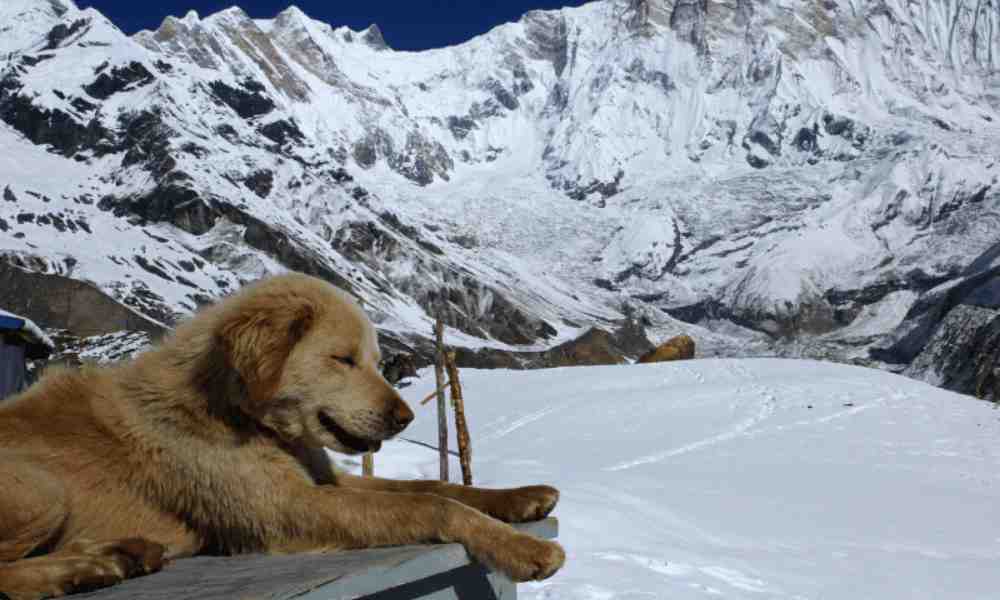
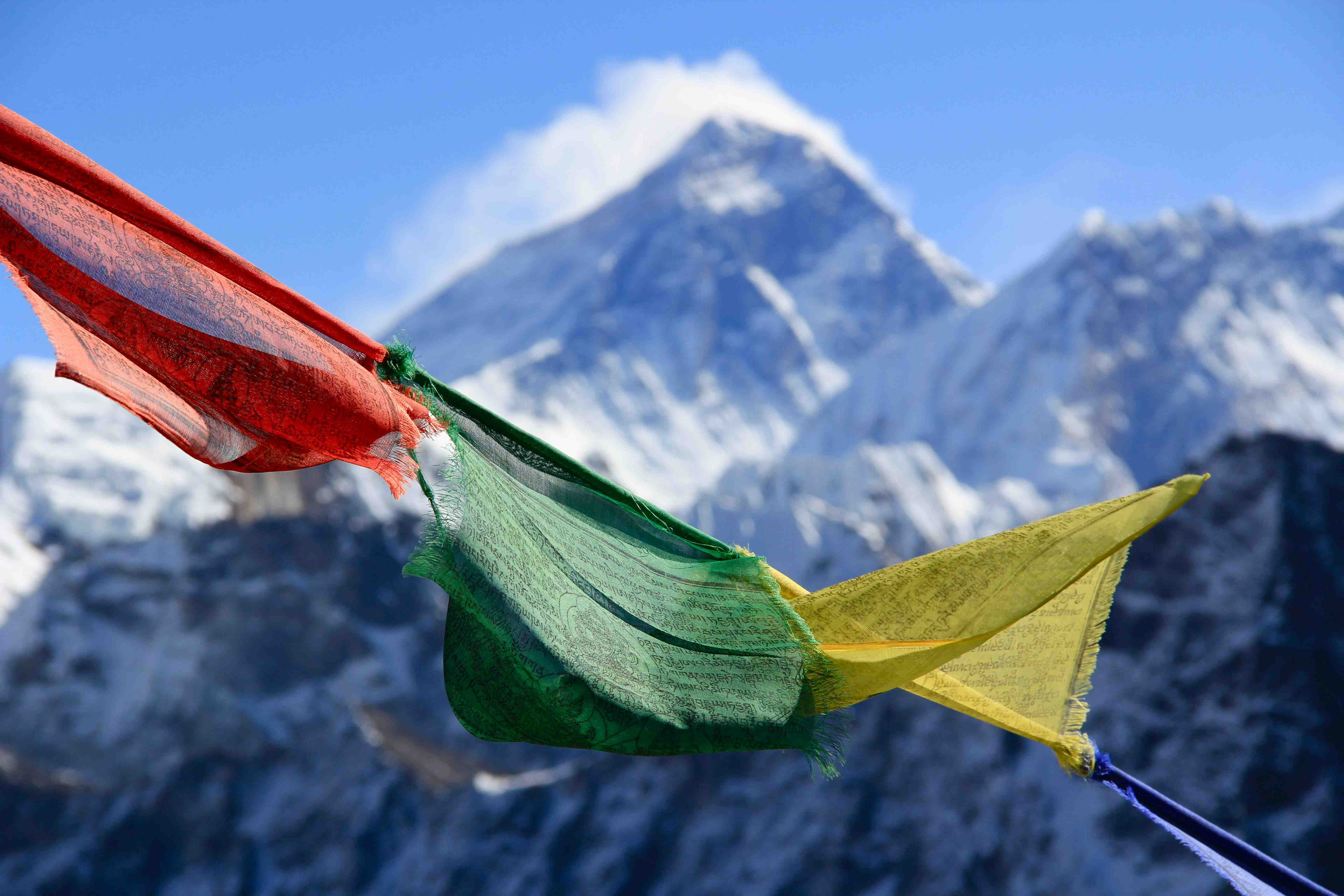
Nepal boasts several trekking routes that are ideal for yoga retreats, each offering unique landscapes and experiences. The Annapurna Base Camp trek is popular for its diverse scenery, ranging from lush forests to alpine meadows. Here, trekkers can enjoy yoga sessions with panoramic views of the Annapurna massif. The Langtang Valley trek, closer to Kathmandu, provides a serene environment with fewer crowds, perfect for meditation and yoga. Another sought-after route is the Everest region, where trekkers can practice yoga with the backdrop of the world’s highest peaks. Each of these routes is selected not just for their beauty but also for their peaceful settings, conducive to yoga and meditation.

The Benefits of Yoga During Trekking
Incorporating yoga into trekking routines offers numerous benefits that enhance the trekking experience. Yoga helps improve flexibility and strength, which are crucial for enduring long hikes and uneven terrains. It also aids in better breathing, enhancing oxygen intake which is particularly beneficial at higher altitudes. The mindfulness practiced during yoga sessions helps trekkers stay present, appreciating the journey rather than just focusing on the destination. Additionally, yoga’s meditative aspects assist in managing the mental challenges of trekking, such as dealing with fatigue and maintaining motivation.
Finding the Right Retreat
Choosing the right yoga and trekking retreat involves considering various factors such as the level of trekking difficulty, the style of yoga practiced, and the group dynamics. Some retreats cater to beginners with shorter, less strenuous treks and basic yoga practices, while others are designed for experienced trekkers and yoga practitioners, offering more challenging routes and advanced yoga sessions. It’s also important to look at the retreat leaders’ qualifications, as having experienced guides and certified yoga instructors ensures a safe and enriching experience. Many retreats also include cultural experiences, such as visits to local villages and monasteries, adding another layer of depth to the journey.

Preparation and What to Expect
Preparing for a yoga and trekking retreat involves both physical and mental preparation. Physically, it’s important to build endurance and flexibility through regular exercise and yoga practice before the trip. Mentally, being open to new experiences and ready to embrace the journey’s ups and downs is crucial. During the retreat, participants can expect a supportive environment where the focus is on personal growth and well-being. The days are typically structured with morning yoga, trekking, afternoon yoga, and free time for relaxation or exploration. Meals provided are usually healthy and nourishing, supporting the physical demands of trekking and the holistic nature of the retreat.
Cultural Immersion
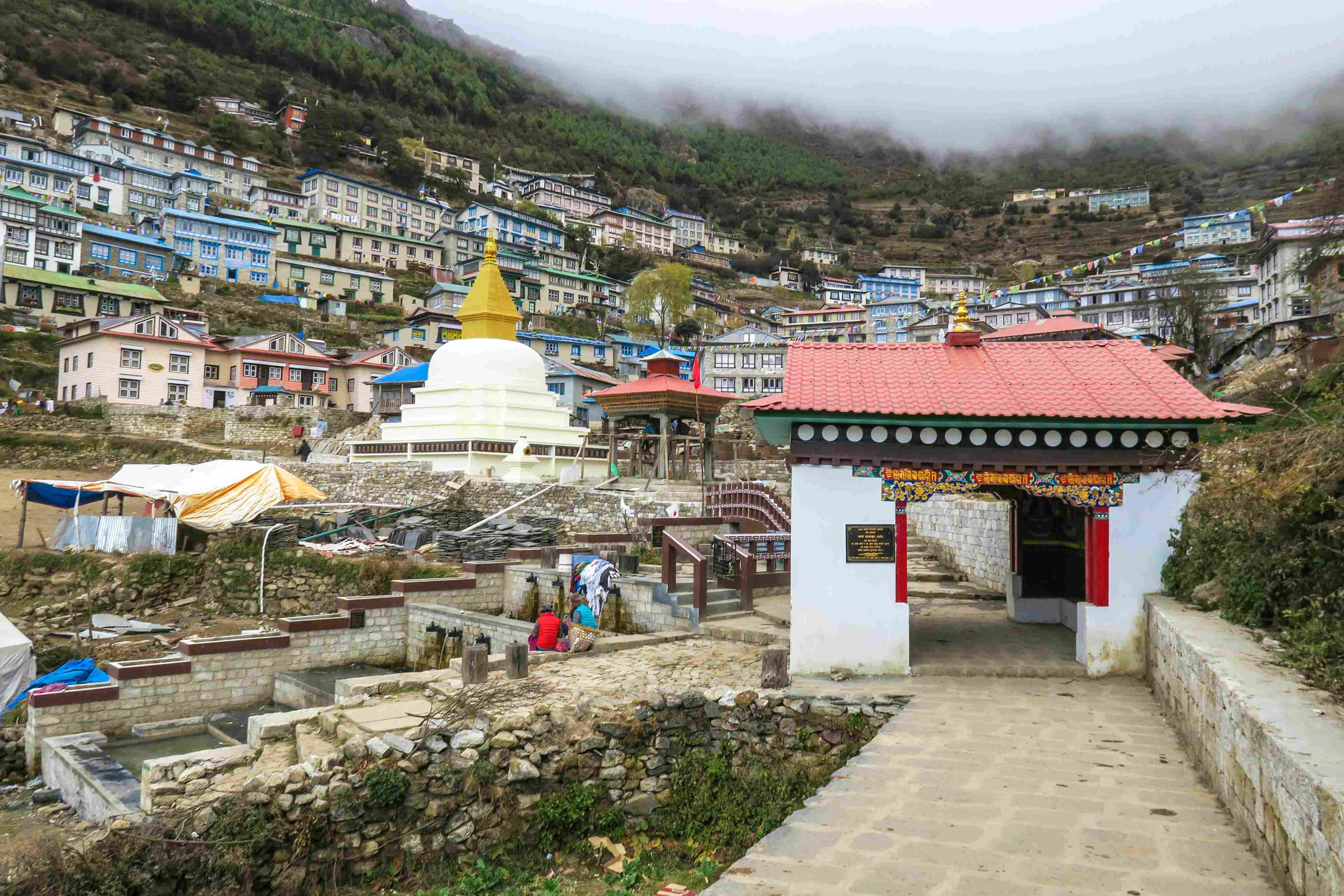
One of the unique aspects of yoga and trekking retreats in Nepal is the opportunity for cultural immersion. Trekkers often stay in local teahouses or lodges, interacting with local communities and experiencing their way of life. Many retreats include visits to Buddhist monasteries and Hindu temples, where participants can learn about local spiritual practices and even partake in meditation sessions led by monks. This cultural exposure enriches the retreat experience, offering insights into Nepal’s rich heritage and the spiritual traditions that underpin the practice of yoga.
Personal Transformation
Participants often report significant personal transformations as a result of their experiences on these retreats. The combination of physical exertion, spiritual practice, and immersion in nature fosters a deep sense of connection with oneself and the environment. Many find that the challenges faced and overcome during the trek lead to increased resilience and self-confidence. The meditative and reflective aspects of yoga help in gaining clarity and perspective on life, leading to a more balanced and peaceful state of mind. This transformational journey leaves a lasting impact, with many participants incorporating the lessons learned into their daily lives long after the retreat has ended.
Environmental Awareness
Yoga and trekking retreats also promote environmental awareness and responsible tourism. Participants are encouraged to follow the principles of Leave No Trace, minimizing their impact on the fragile Himalayan ecosystems. Many retreats partner with local conservation projects, allowing trekkers to participate in environmental initiatives such as tree planting or trail clean-ups. This focus on sustainability ensures that these beautiful landscapes are preserved for future generations and fosters a deeper appreciation for the natural world.

Community Support
These retreats often support local communities by providing employment opportunities and promoting local businesses. By staying in family-owned lodges, eating at local restaurants, and hiring local guides and porters, participants contribute to the local economy. Some retreats also include community service components, such as volunteering at local schools or health clinics, further strengthening the bond between trekkers and the communities they visit. This support helps improve the quality of life for local residents and ensures that the benefits of tourism are shared widely.
A Journey of Self-Discovery
Ultimately, a yoga and trekking retreat in Nepal is a journey of self-discovery. The combination of physical challenge, spiritual practice, and cultural immersion provides a unique opportunity for introspection and personal growth. Whether you are a seasoned trekker or a yoga enthusiast, these retreats offer something for everyone. The breathtaking beauty of the Himalayas, the serenity of yoga practice, and the warmth of Nepalese hospitality create an unforgettable experience that stays with you long after you’ve returned home. It’s a chance to disconnect from the hustle and bustle of everyday life, reconnect with nature, and discover new depths within yourself. In conclusion, yoga and trekking retreats in Nepal offer a unique and enriching travel experience. The blend of physical activity and spiritual practice, set against the backdrop of the stunning Himalayas, creates a holistic journey that nurtures the body, mind, and soul. Whether you’re seeking adventure, tranquility, personal growth, or cultural immersion, these retreats provide a perfect escape and a path to finding inner peace on Nepal’s trails.
Recent From Blogs

21 Apr 2024


26 May 2024


29 May 2024