


By Actual Holidays Nepal 24 May 2024
Everest Expedition 2025: The Ultimate Adventure With Actual Adventure
Welcome to the Everest Expedition 2025, brought to you by Actual Adventure. This comprehensive blog aims to provide an in-depth look into what it takes to embark on one of the most challenging and rewarding adventures on Earth—climbing Mount Everest. As the tallest peak in the world, Everest stands at a staggering 8,848 meters (29,029 feet), attracting mountaineers from around the globe. This expedition is not only a test of physical endurance but also a journey of personal growth and discovery.
History of Everest Expeditions
Mount Everest, known as Sagarmatha in Nepal and Chomolungma in Tibet, has a rich history of exploration and climbing. The first recorded attempts to reach the summit were made in the early 20th century. The most notable of these early expeditions was led by George Mallory and Andrew Irvine in 1924. Tragically, they disappeared near the summit, leaving the mystery of whether they reached the top. It wasn't until 1953 that Sir Edmund Hillary from New Zealand and Tenzing Norgay, a Sherpa of Nepal, successfully summited Everest, marking a historic moment in mountaineering. Since then, thousands of climbers have attempted to reach the summit, each contributing to the legacy and lore of Everest.
Why Climb Everest?
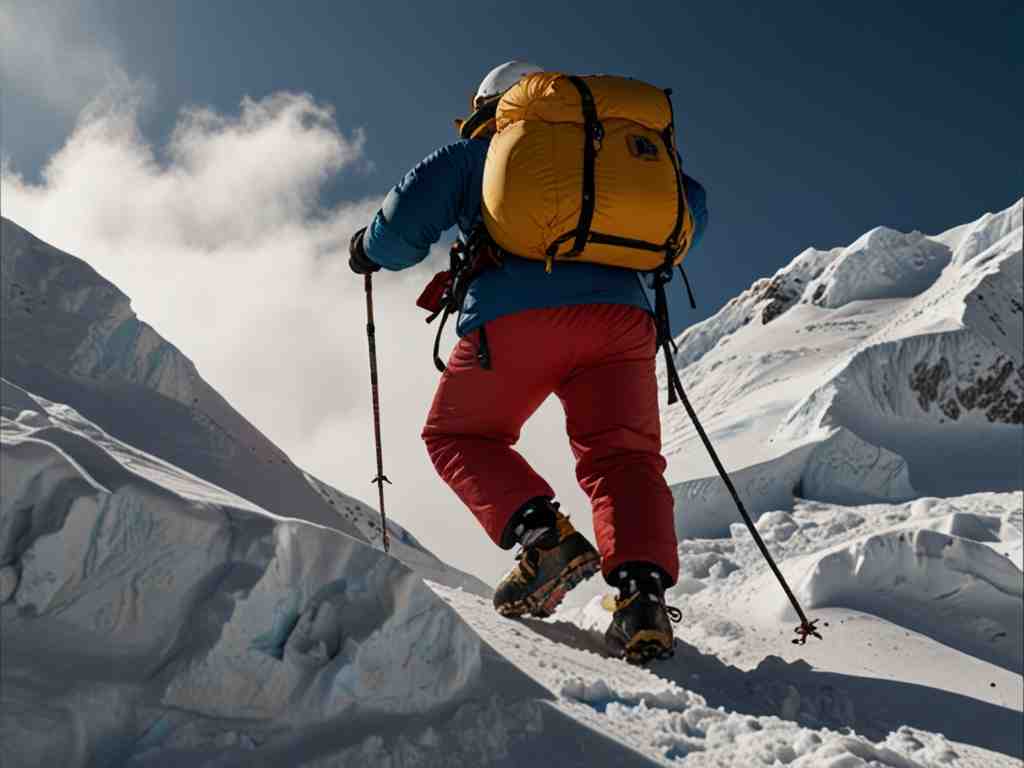
Climbing Everest is the ultimate goal for many mountaineers. It represents the pinnacle of achievement in the climbing world. The allure of standing on top of the world is powerful, and the journey to get there is filled with breathtaking scenery, challenging conditions, and profound personal insights. Climbing Everest is a test of physical and mental strength. The rigorous preparation, the grueling climb, and the extreme conditions all push climbers to their limits. Overcoming these challenges provides a profound sense of accomplishment. The journey to the summit of Everest offers some of the most stunning landscapes on Earth. From the lush forests of the lower Khumbu Valley to the stark, icy beauty of the higher altitudes, climbers experience a variety of natural wonders. The Everest region is rich in culture and history. Trekkers and climbers have the opportunity to interact with the Sherpa community, visit ancient monasteries, and learn about the traditions and customs of the local people.

Preparation and Training
Climbing Everest requires extensive preparation and training. Physical fitness is crucial, but mental resilience is equally important. Here's how you can prepare for this monumental challenge. Physical Training Cardiovascular Endurance: Engage in activities like running, cycling, and swimming to build cardiovascular fitness. Strength Training: Focus on building strength in your legs, core, and upper body through weightlifting and resistance exercises. Altitude Training: If possible, spend time at high altitudes to acclimatize your body to lower oxygen levels. Mental Preparation Visualization: Practice visualization techniques to prepare mentally for the challenges you will face. Stress Management: Learn techniques to manage stress and stay calm under pressure, such as meditation and deep breathing exercises. Resilience Building: Engage in activities that build mental toughness, such as cold water immersion and endurance events. Technical Skills Climbing Skills: Practice using climbing equipment like crampons, ice axes, and harnesses. Crevasse Rescue: Learn and practice techniques for rescuing a climber from a crevasse. Navigation: Develop skills in map reading and navigation in mountainous terrain.
Gear and Equipment
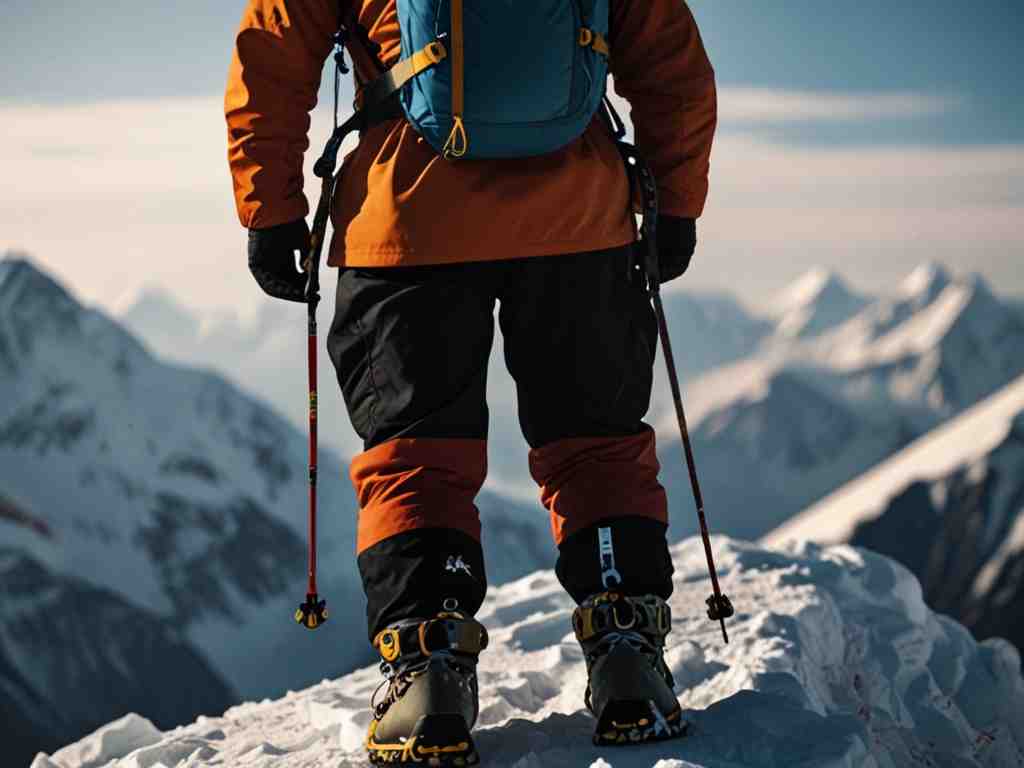
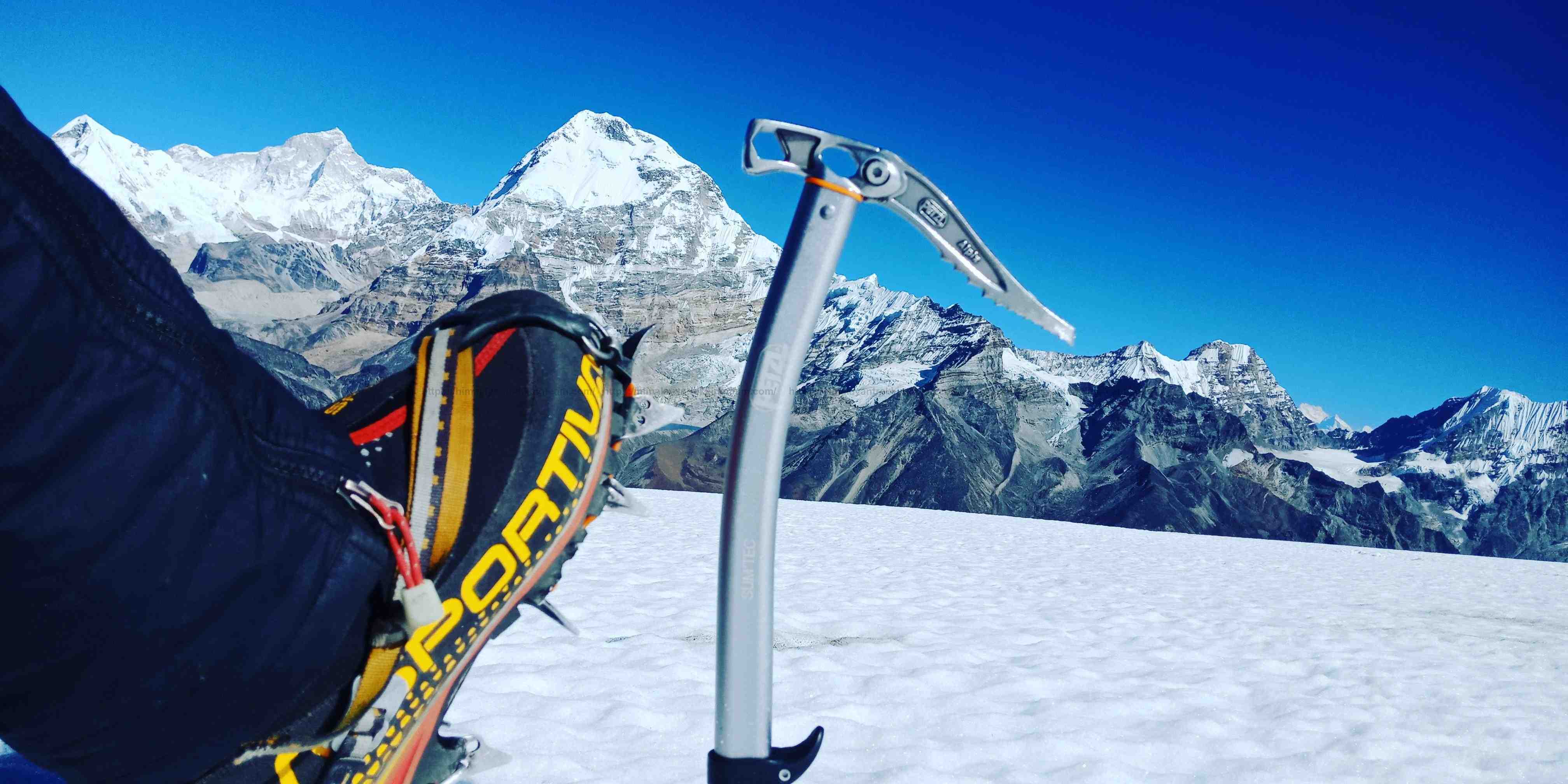
Having the right gear is essential for a successful Everest expedition. Here's a comprehensive list of the equipment you will need: Climbing Gear Climbing Harness: Essential for roped travel and glacier crossing. Crampons: Metal spikes attached to your boots to provide traction on ice. Ice Axe: Used for balance and self-arrest in case of a fall. Helmet: Protects against falling ice and rocks. Carabiners: Used to attach ropes and other gear. Ascenders and Descenders: Mechanical devices used to ascend and descend ropes. Clothing Base Layers: Moisture-wicking layers to keep you dry. Insulating Layers: Fleece or down layers to retain heat. Outer Layers: Waterproof and windproof jackets and pants. Gloves and Mittens: Multiple pairs for varying conditions. Hats and Balaclavas: For head and face protection against the cold. Boots: Insulated mountaineering boots for high-altitude climbing. Other Essentials Sleeping Bag: Rated for extreme cold. Backpack: Large enough to carry all your gear. Trekking Poles: Provide stability and reduce strain on your legs. Headlamp: Essential for early morning or night climbs. Sunglasses and Goggles: Protect your eyes from the intense sunlight and snow glare. Hydration System: Water bottles or hydration bladders to stay hydrated. First Aid Kit: Includes medications for altitude sickness, bandages, and other medical supplies.
Journey to Base Camp
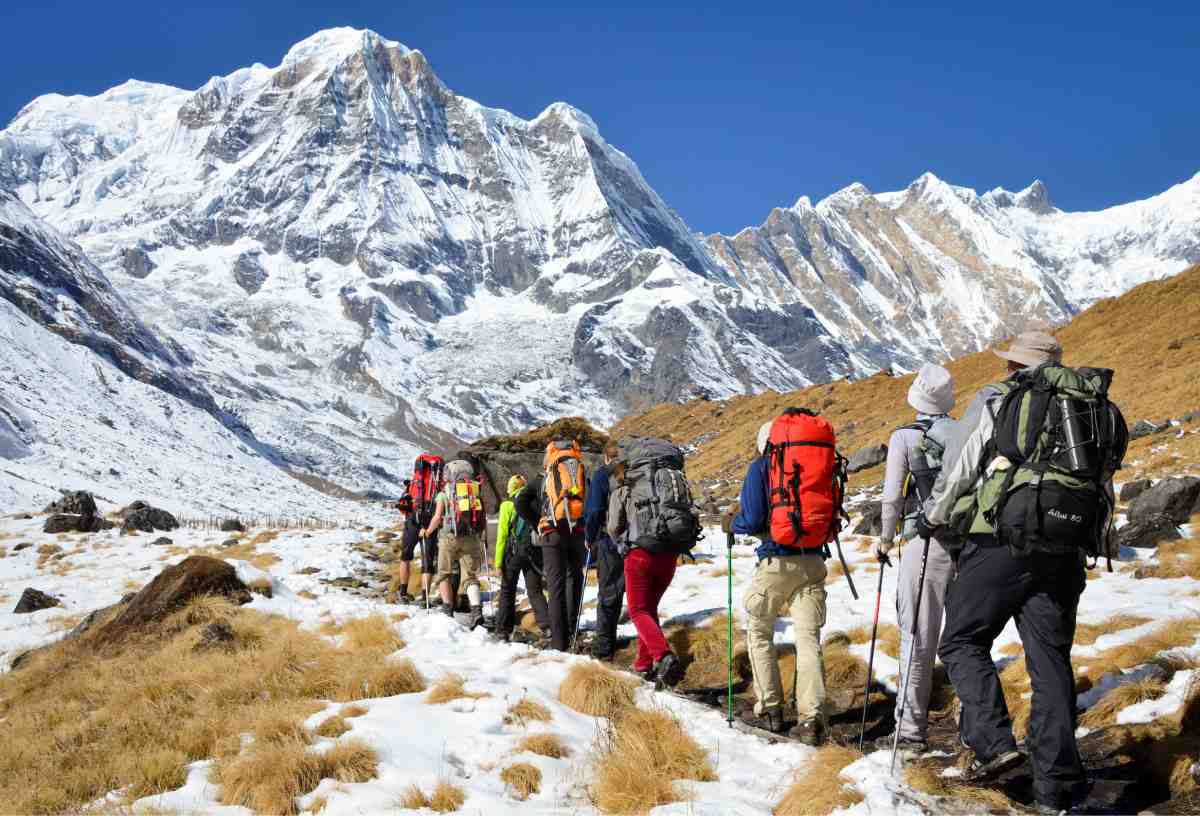
The journey to Everest Base Camp (EBC) is an adventure in itself. It starts with a flight from Kathmandu to Lukla, one of the world's most thrilling airstrips. From Lukla, the trek to EBC begins. Day 1: Kathmandu to Lukla and Phakding After a short flight to Lukla, you will begin your trek to Phakding. This initial trek is relatively easy, allowing you to acclimatize to the altitude. Day 2: Phakding to Namche Bazaar The trek to Namche Bazaar involves a significant ascent. Namche is the gateway to the high Himalayas and a bustling market town where you can rest and acclimatize. Day 3: Acclimatization Day in Namche Bazaar Spend a day in Namche to acclimatize. You can explore the town, visit the local market, and take short hikes to higher altitudes. Day 4: Namche Bazaar to Tengboche The trek to Tengboche takes you through beautiful forests and offers stunning views of Everest and Ama Dablam. Tengboche is home to a famous monastery. Day 5: Tengboche to Dingboche As you ascend to Dingboche, the landscape becomes more rugged and barren. Dingboche is an important acclimatization stop. Day 6: Acclimatization Day in Dingboche Spend another day acclimatizing in Dingboche. You can take short hikes to higher altitudes to prepare your body for the climb ahead. Day 7: Dingboche to Lobuche The trek to Lobuche is challenging, with significant altitude gain. The trail passes through the Khumbu Glacier and offers dramatic views. Day 8: Lobuche to Gorak Shep and Everest Base Camp The final push to EBC involves trekking to Gorak Shep and then continuing to Base Camp. Reaching EBC is a major milestone and a moment of celebration.
Life at Everest Base Camp
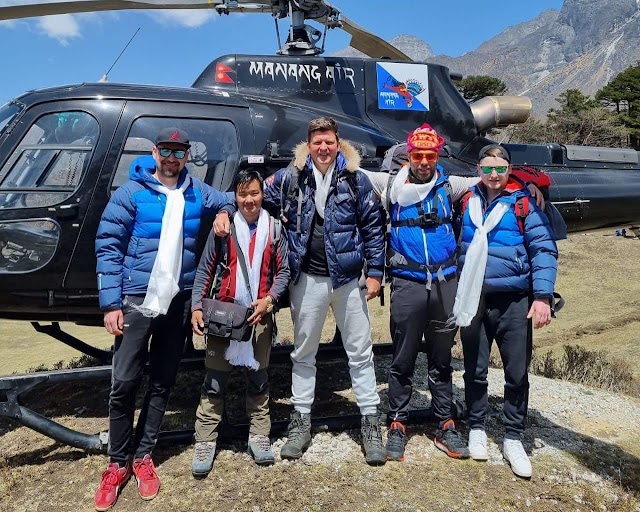
Everest Base Camp is a bustling hub of activity, with climbers from all over the world preparing for their ascent. Life at EBC involves acclimatizing, training, and waiting for the right weather conditions to begin the climb. Acclimatization Spending time at EBC allows your body to adjust to the high altitude. You will take short hikes to higher altitudes and return to EBC to rest and recover. Training You will undergo training sessions to practice technical climbing skills, such as using crampons and ice axes, and learning crevasse rescue techniques. Daily Routine Life at EBC follows a structured routine. You will have regular meals, training sessions, and rest periods. It's important to stay hydrated and well-nourished to maintain your strength. Communication EBC is equipped with communication facilities, allowing you to stay in touch with family and friends. Satellite phones and internet access are available.
The Climb: Camp to Camp
The climb from Base Camp to the summit involves several stages, each with its own challenges and rewards. Camp 1: Khumbu Icefall to Western Cwm The first major obstacle is the Khumbu Icefall, a treacherous section of the glacier filled with crevasses and shifting ice. Climbing the Icefall requires careful navigation and the use of ladders and ropes. Camp 1 is located at the top of the Icefall in the Western Cwm. Camp 2: Western Cwm to Lhotse Face From Camp 1, you will traverse the Western Cwm, a flat valley surrounded by towering peaks. The climb to Camp 2 is relatively straightforward, but the altitude makes it challenging. Camp 3: Lhotse Face Camp 3 is situated on the Lhotse Face, a steep and icy slope. Climbing this section requires technical skills and the use of fixed ropes. The ascent to Camp 3 is demanding but provides spectacular views. Camp 4: South Col Camp 4 is located at the South Col, the final camp before the summit push. The South Col is a desolate and windy plateau at an altitude of 7,920 meters (26,000 feet). This camp is also known as the "Death Zone" due to the extremely low oxygen levels.
The Summit Push
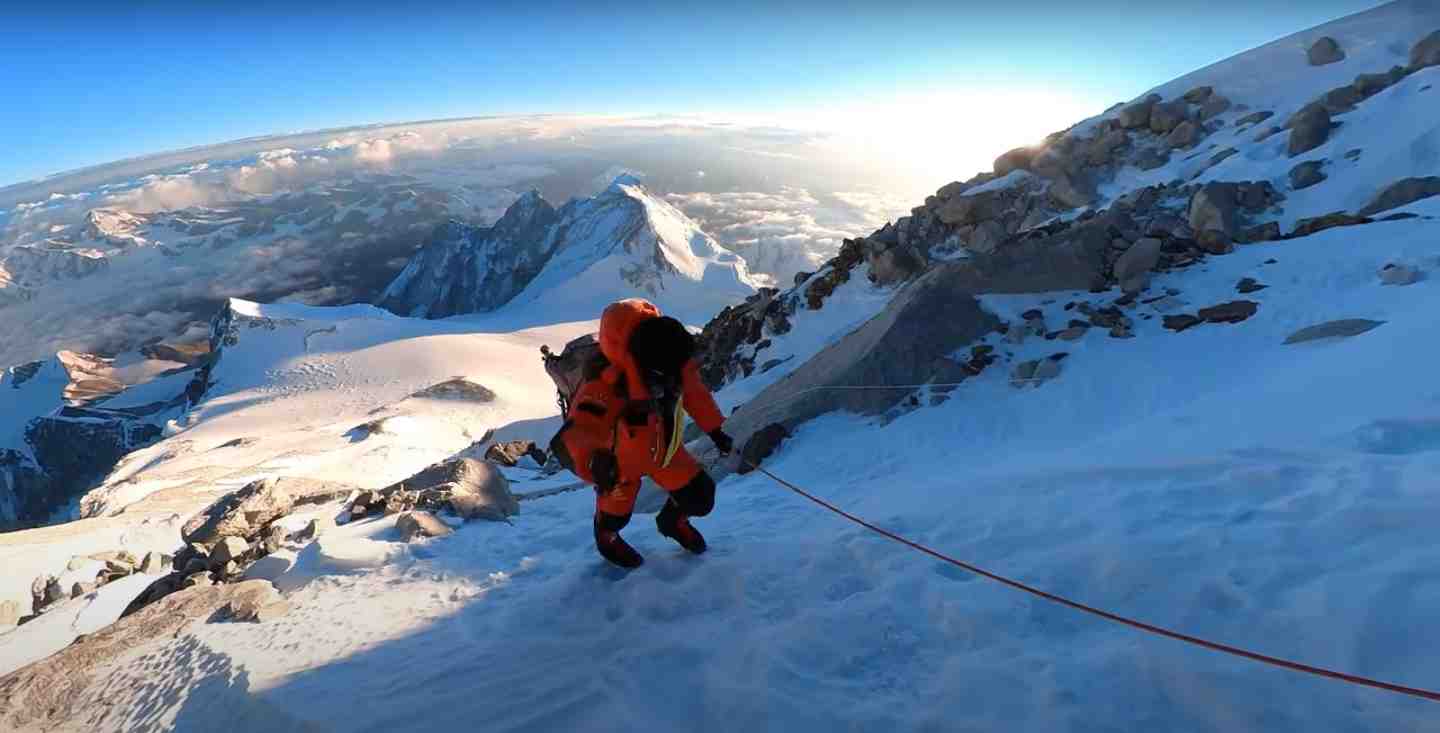
The final push to the summit begins from Camp 4 and involves climbing through the night to reach the summit at dawn. The Route The route from Camp 4 to the summit includes several key sections: The Balcony: A flat area at 8,400 meters (27,600 feet) where climbers can rest and change oxygen bottles. South Summit: A secondary summit at 8,749 meters (28,704 feet). The Hillary Step: A 12-meter (39-foot) rock face near the summit that requires technical climbing. The Summit Ridge: The final ridge leading to the summit. Reaching the Summit Reaching the summit of Everest is a moment of triumph and elation. The views from the top are breathtaking, with the entire Himalayan range spread out below you. This moment is the culmination of months of preparation and weeks of climbing. The Descent Descending from the summit is just as challenging as the ascent. You must carefully navigate the route back to Camp 4 and continue down to lower camps to avoid spending too much time in the "Death Zone."

Safety Measures and Health Concerns
Safety is paramount on an Everest expedition. Our team is committed to ensuring the safety and well-being of all climbers. Altitude Sickness Altitude sickness is a major concern on Everest. Symptoms include headache, nausea, and fatigue. Severe cases can lead to life-threatening conditions like High Altitude Pulmonary Edema (HAPE) and High-Altitude Cerebral Edema (HACE). Our team monitors climbers closely and provides medical support as needed. Weather Conditions Weather on Everest is unpredictable and can change rapidly. We rely on accurate weather forecasts to plan our climbs and avoid dangerous conditions. Climbers must be prepared for extreme cold, high winds, and sudden storms. Crevasse and Avalanche Hazards The Khumbu Icefall and other sections of the climb are prone to crevasses and avalanches. Our team uses fixed ropes, ladders, and other safety measures to navigate these hazards safely. Training and Preparation Proper training and preparation are essential for a safe climb. Our team provides comprehensive training on the use of climbing equipment, crevasse rescue techniques, and high-altitude survival.

The Sherpa Community
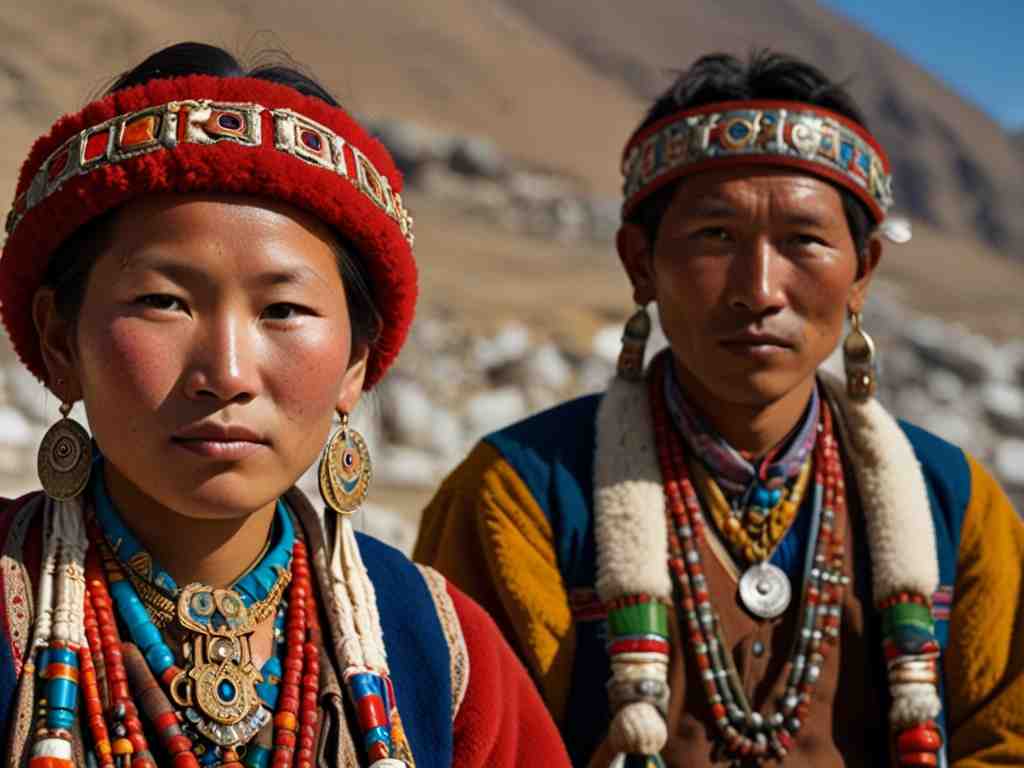
The Sherpa community plays a crucial role in Everest expeditions. These skilled and experienced climbers provide invaluable support, guiding climbers, setting up camps, and carrying supplies. Sherpa Culture The Sherpa people have a rich cultural heritage. They are known for their hospitality, resilience, and deep connection to the mountains. During the expedition, you will have the opportunity to learn about Sherpa traditions, visit monasteries, and experience their way of life. Contribution to Mountaineering Sherpas have been instrumental in the success of countless Everest expeditions. Their knowledge of the terrain, expertise in climbing, and unwavering dedication make them essential members of the climbing team.
Environmental and Ethical Considerations
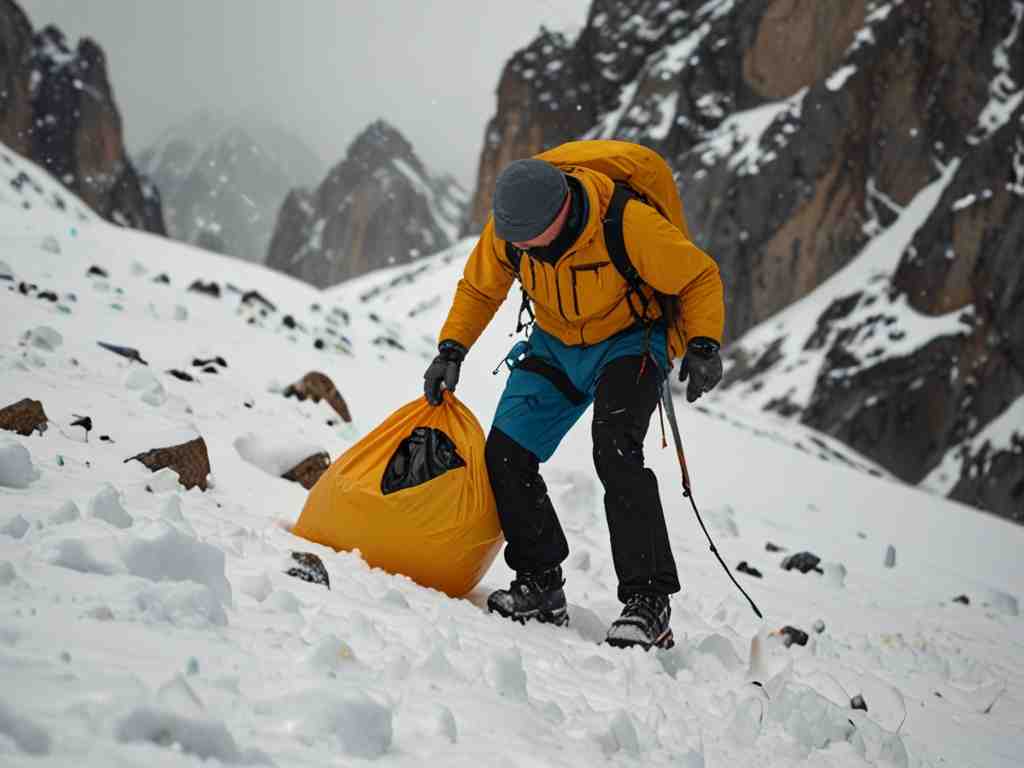
Climbing Everest comes with significant environmental and ethical responsibilities. Our team is committed to minimizing our impact on the environment and supporting the local community. Leave No Trace We follow the principles of Leave No Trace to minimize our environmental footprint. This includes proper waste management, avoiding damage to the natural environment, and respecting wildlife. Supporting the Local Community We work closely with the local community to ensure that our expeditions benefit the people of the Everest region. This includes employing local guides and porters, supporting local businesses, and contributing to community development projects. Ethical Climbing We adhere to ethical climbing practices, prioritizing safety, respect for the environment, and fair treatment of all team members. Our goal is to ensure a positive and sustainable impact on the region.
Post-Climb Reflections
Returning from an Everest expedition is a profound experience. The journey, challenges, and triumphs leave a lasting impact on climbers. Personal Growth Climbing Everest is a journey of self-discovery. The challenges faced and overcome during the climb build resilience, confidence, and a deeper understanding of one's capabilities. Memories and Stories The memories and stories from an Everest expedition are unforgettable. From the camaraderie of fellow climbers to the breathtaking views from the summit, these experiences will stay with you for a lifetime. Future Endeavors Many climbers find that their Everest expedition inspires them to pursue new adventures and challenges. The skills, knowledge, and confidence gained on the climb open up new possibilities for future expeditions.

Testimonials from Past Climbers
Here are some testimonials from climbers who have completed the Everest expedition with Actual Adventure: John Doe (2022): "Climbing Everest was a dream come true. The support and expertise of the Actual Adventure team made it possible. The experience was life-changing." Jane Smith (2021): "The journey to the summit of Everest was the most challenging and rewarding experience of my life. The Sherpa team and guides were incredible." Mark Johnson (2020): "Actual Adventure provided top-notch support and guidance throughout the expedition. Reaching the summit was a moment of pure joy and achievement."

Conclusion
The Everest Expedition 2025 with Actual Adventure is more than just a climb; it is a journey of a lifetime. From the rich cultural experiences of the Khumbu Valley to the exhilarating challenge of reaching the summit, this expedition offers a profound adventure that will leave you with unforgettable memories and a sense of accomplishment. Join us on this extraordinary journey and take the first step towards conquering the highest peak in the world.

Recent From Blogs

21 Apr 2024


26 May 2024


29 May 2024