


By Actual Holidays Nepal 22 May 2024
The Mystique And Traditions Of The Sherpa People Of The Himalayas
The Sherpa people, renowned for their mountaineering prowess and deep-rooted spirituality, have captivated the world’s imagination for decades. Nestled in the high-altitude regions of Nepal, particularly in the Khumbu Valley, the Sherpas are not only integral to the success of countless Everest expeditions but also possess a rich cultural tapestry woven with ancient traditions and beliefs. This blog post delves into the unique heritage, customs, and lifestyle of the Sherpa community, highlighting their contributions to mountaineering and their efforts to preserve their culture amidst modernization.
Origins and Historical Background
The Sherpa people trace their origins to the Tibetan region, with their migration to Nepal believed to have occurred around 500 years ago. The name "Sherpa" itself is derived from the Tibetan words "Shar" (east) and "Pa" (people), indicating their eastern Tibetan roots. Historically, Sherpas were traders and farmers, cultivating the high-altitude fields and facilitating trade between Nepal and Tibet. Over time, their exceptional adaptation to high altitudes and physical endurance made them indispensable to mountaineering expeditions.

Spirituality and Religion
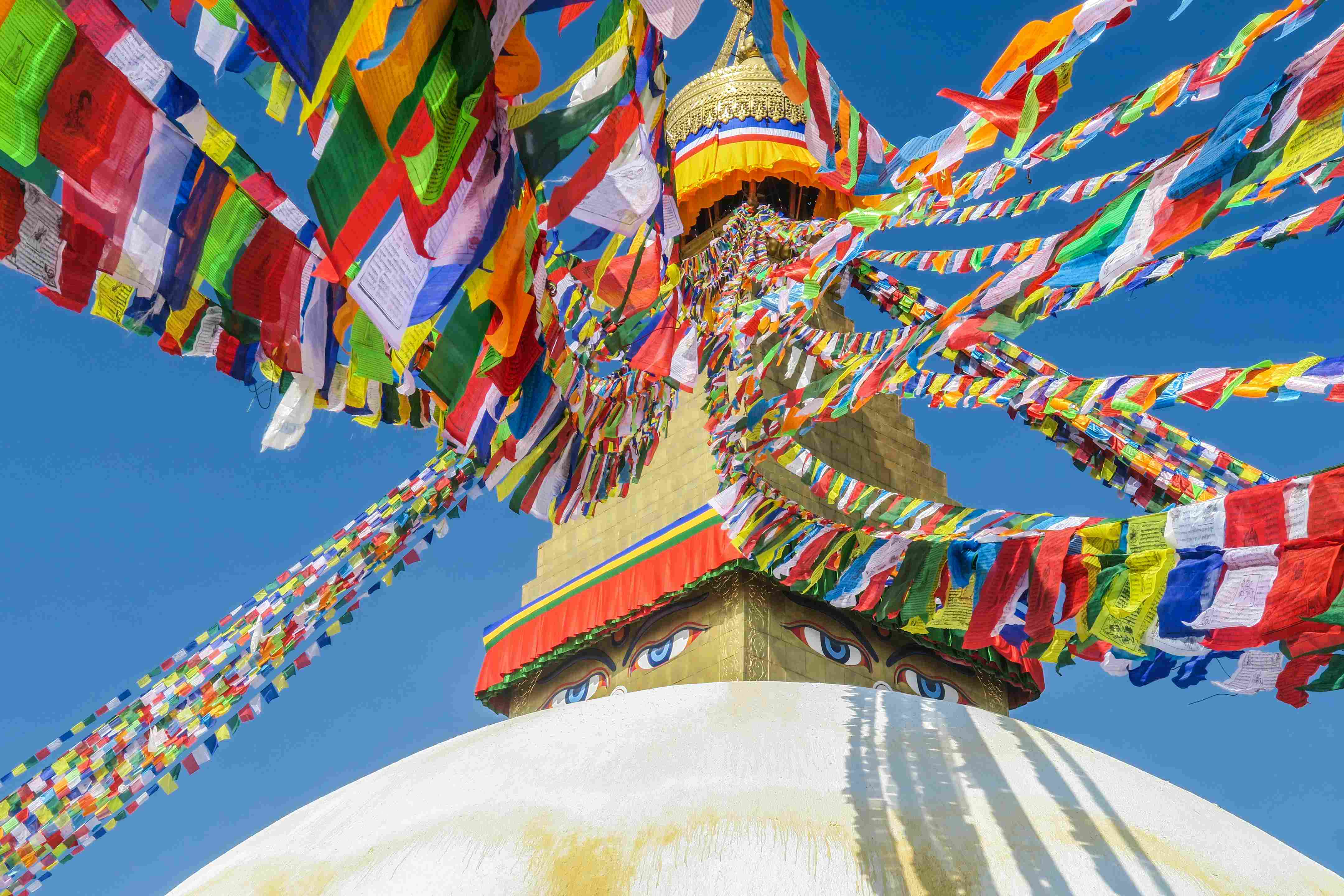
At the heart of Sherpa culture lies a profound spirituality intertwined with Tibetan Buddhism. Monasteries, known as gompas, are central to Sherpa communities, serving as places of worship, education, and cultural preservation. The Tengboche Monastery, the largest in the Khumbu region, stands as a spiritual beacon for the Sherpa people. Prayer flags, prayer wheels, and mani stones (stone tablets inscribed with mantras) are omnipresent, symbolizing the constant prayers and spiritual energy that permeate their lives. Festivals like Losar (Tibetan New Year) and Dumji (a celebration honoring Guru Rinpoche) are vital, marked by elaborate rituals, dances, and communal feasts.
Language and Literature
The Sherpa language, a Tibeto-Burman dialect, is integral to their identity. Although many Sherpas are multilingual, speaking Nepali and English due to their interactions with trekkers and climbers, their native tongue remains a crucial part of their cultural fabric. Oral traditions are strong, with stories, legends, and songs passed down through generations. Efforts to document and teach the Sherpa language have gained momentum, recognizing the need to preserve this linguistic heritage in the face of globalization.
Mountaineering Legacy
The Sherpas' legendary status in the world of mountaineering is well-deserved. Their ability to thrive in high-altitude environments, combined with their intimate knowledge of the Himalayan terrain, has made them the backbone of many expeditions. The 1953 Everest expedition led by Sir Edmund Hillary and Tenzing Norgay brought international recognition to the Sherpas. Tenzing Norgay’s role as Hillary’s climbing partner not only highlighted their physical prowess but also their invaluable role as guides and porters. Today, Sherpas continue to be key figures in mountaineering, often leading expeditions and setting records, such as Kami Rita Sherpa’s multiple ascents of Everest.

Traditional Clothing and Adornments
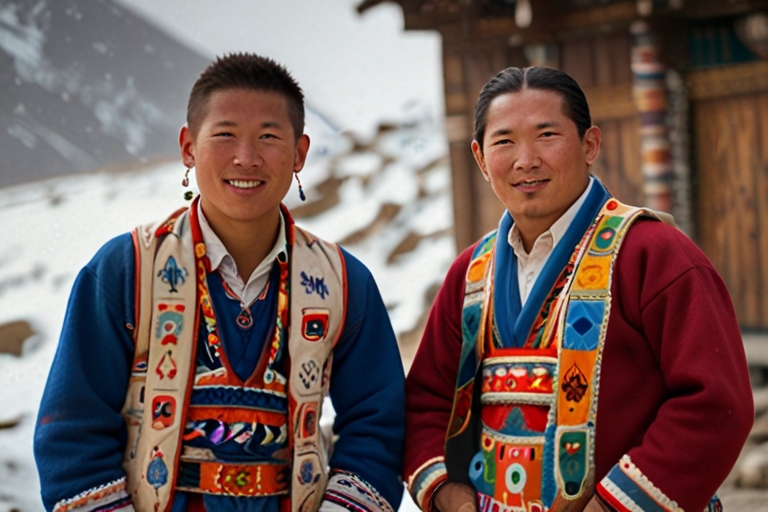
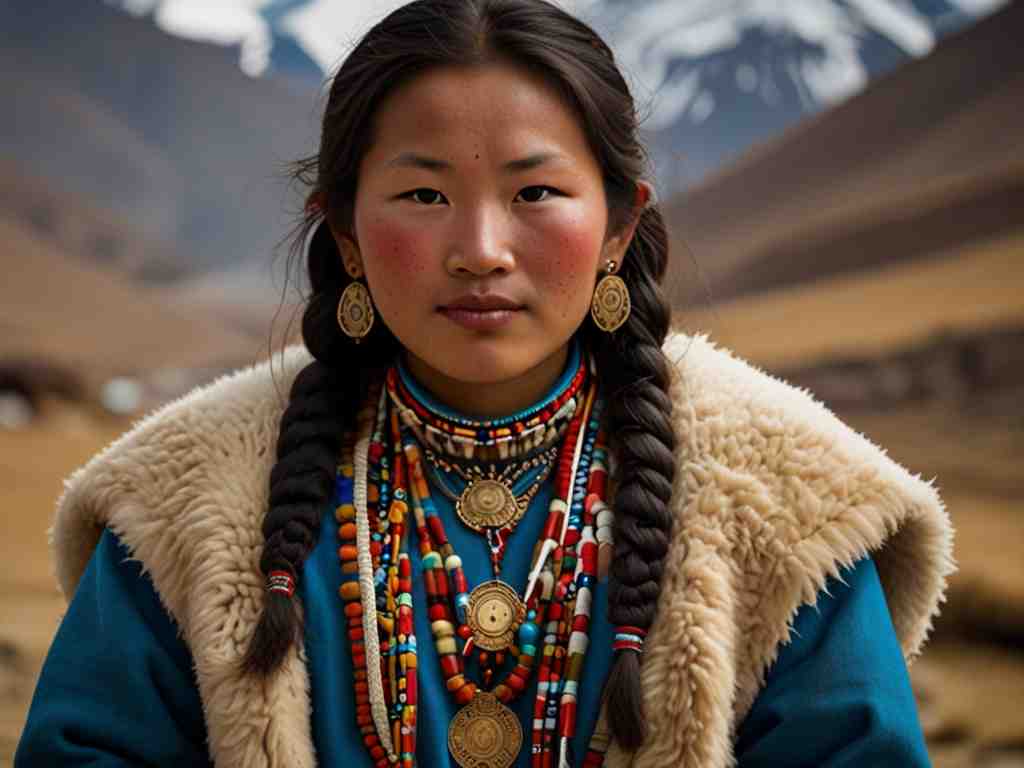
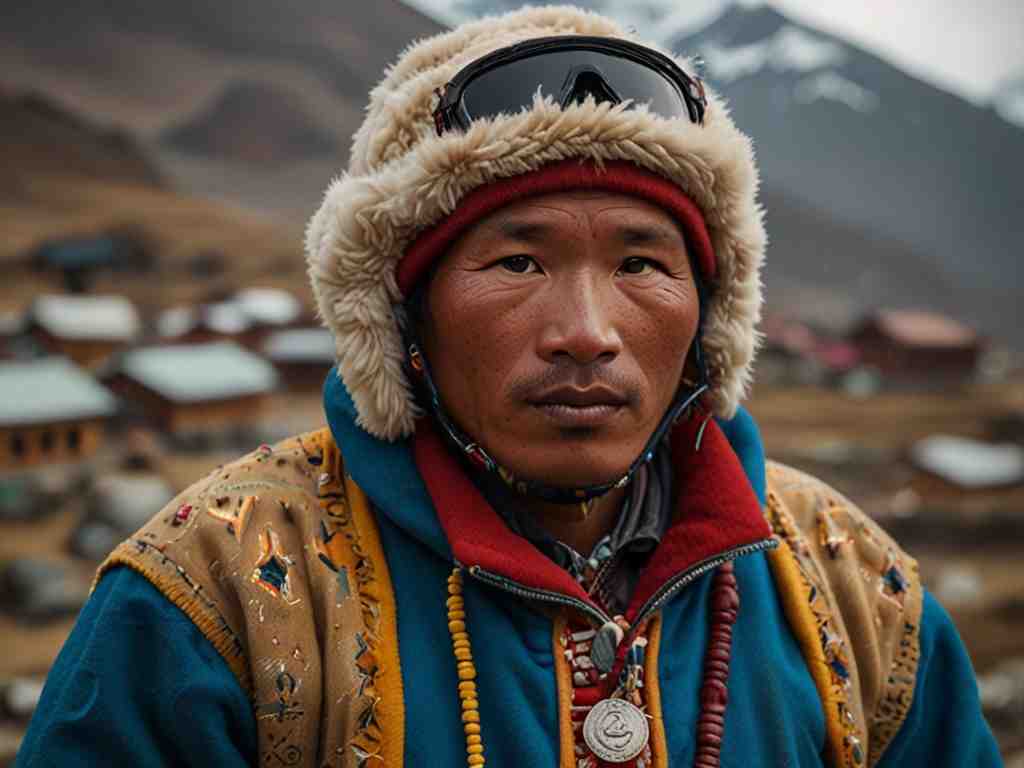
Sherpa clothing is both practical and symbolic, designed to withstand the harsh Himalayan climate. Traditional attire includes thick woolen garments such as the chuba (a long coat), often layered for warmth. These garments are typically adorned with vibrant patterns and colors, reflecting the aesthetic sensibilities of the Sherpa people. Jewelry, made from turquoise, coral, and amber, holds significant cultural and spiritual value, often believed to bring protection and good fortune. Handwoven belts and aprons add to the intricate details of their traditional dress.
Cuisine and Dietary Practices
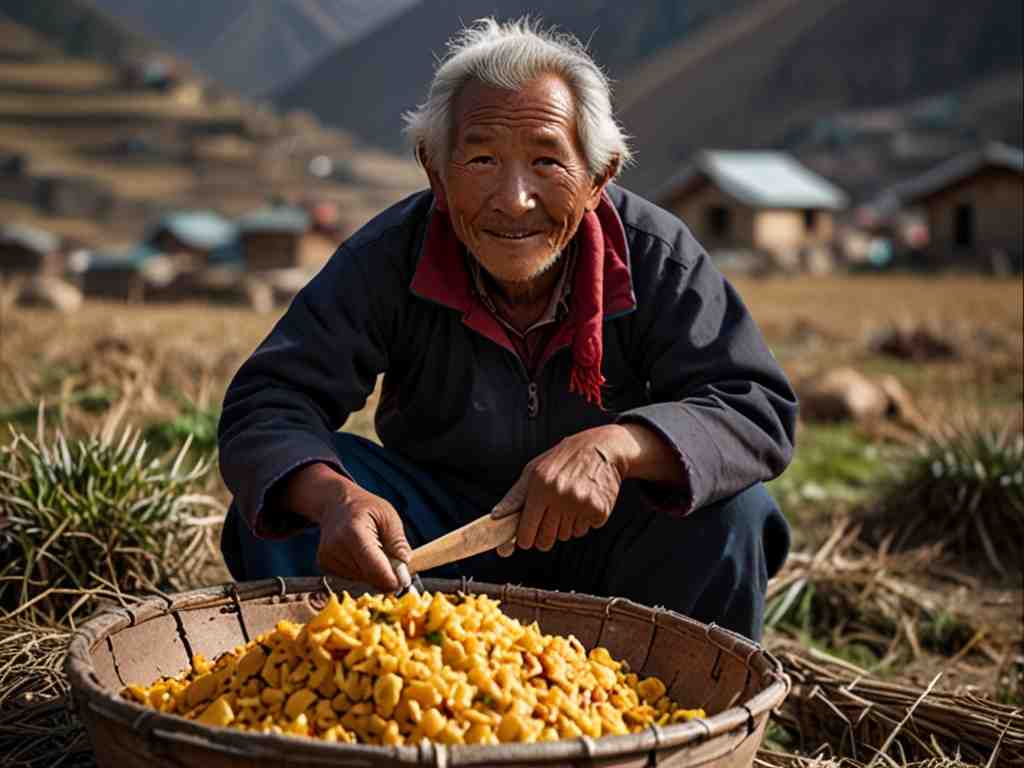
The Sherpa diet is shaped by the high-altitude environment, relying heavily on local produce and livestock. Staples include potatoes, barley, and buckwheat, often transformed into hearty dishes like shyakpa (stew), thukpa (noodle soup), and tsampa (roasted barley flour). Butter tea, a blend of tea, yak butter, and salt, is a traditional beverage that provides essential calories and warmth. The communal nature of Sherpa meals, often shared with family and visitors alike, underscores the strong sense of community and hospitality inherent in their culture.
Architecture and Housing
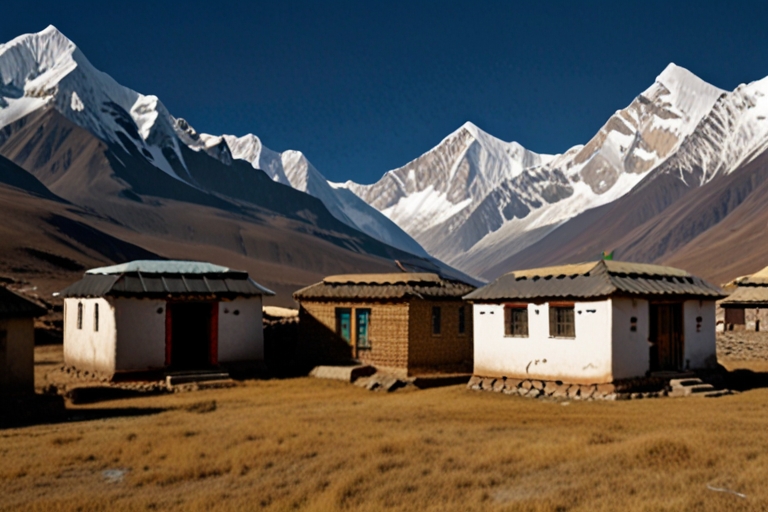
Sherpa homes are architectural marvels designed to withstand the region's harsh weather conditions. Constructed from locally sourced stone, wood, and mud, these houses are built to be both sturdy and warm. The roofs are typically flat, weighted down with stones to prevent wind damage. Interiors are modest but functional, with a central hearth providing heat and a place to cook. The layout often includes a shrine or a small prayer room, reflecting the deep spiritual inclinations of the Sherpa people. Villages are strategically located, often on sunny slopes, to maximize warmth and minimize exposure to the elements.
Modern Challenges and Cultural Preservation
Despite their rich heritage, the Sherpa people face numerous challenges in modern times. The influx of tourism and mountaineering has brought economic opportunities but also environmental and cultural pressures. Over-tourism threatens the delicate ecosystem of the Khumbu region, while cultural erosion is a risk as younger generations are influenced by globalized lifestyles. However, the Sherpas are actively working to preserve their culture. Initiatives include cultural education programs, sustainable tourism practices, and the promotion of Sherpa-owned businesses. Organizations like the Sherpa Cultural Center in Namche Bazaar play a pivotal role in these efforts, ensuring that the Sherpa way of life continues to thrive.
The Sherpa Women: Custodians of Culture
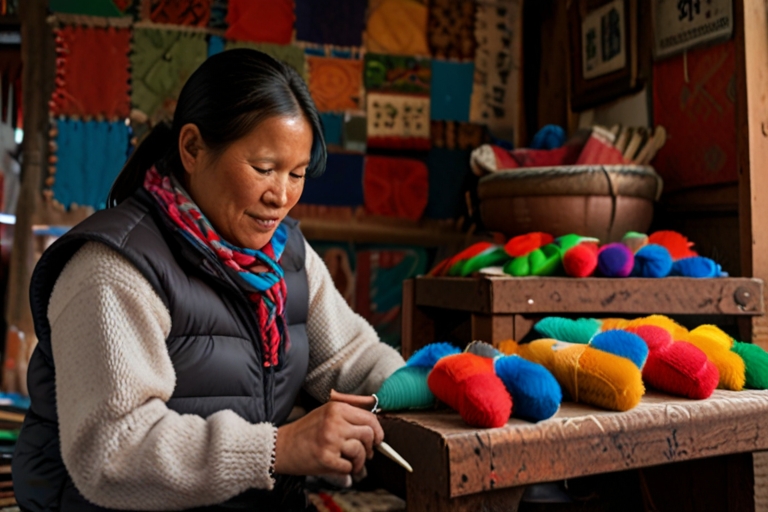
Sherpa women play a crucial role in maintaining the cultural and social fabric of their communities. Traditionally, women manage household affairs, agricultural duties, and the weaving of textiles. They are also the primary caretakers of children, passing on cultural values and traditions. In recent years, Sherpa women have increasingly taken on leadership roles within their communities and beyond. Figures like Pasang Lhamu Sherpa, the first Nepali woman to summit Everest, have inspired many young Sherpa girls to pursue education and mountaineering, challenging traditional gender roles and contributing to social change.
Sherpa Festivals and Celebrations
Festivals are a vital aspect of Sherpa culture, offering a glimpse into their vibrant traditions and communal spirit. Losar, the Tibetan New Year, is the most significant festival, celebrated with feasts, dances, and rituals to usher in prosperity and ward off evil spirits. Mani Rimdu, another major festival, held at monasteries like Tengboche, features elaborate masked dances and religious ceremonies that attract both locals and tourists. These festivals are not only religious observances but also opportunities for the Sherpa community to come together, reinforcing social bonds and cultural continuity.
Environmental Stewardship and Challenges
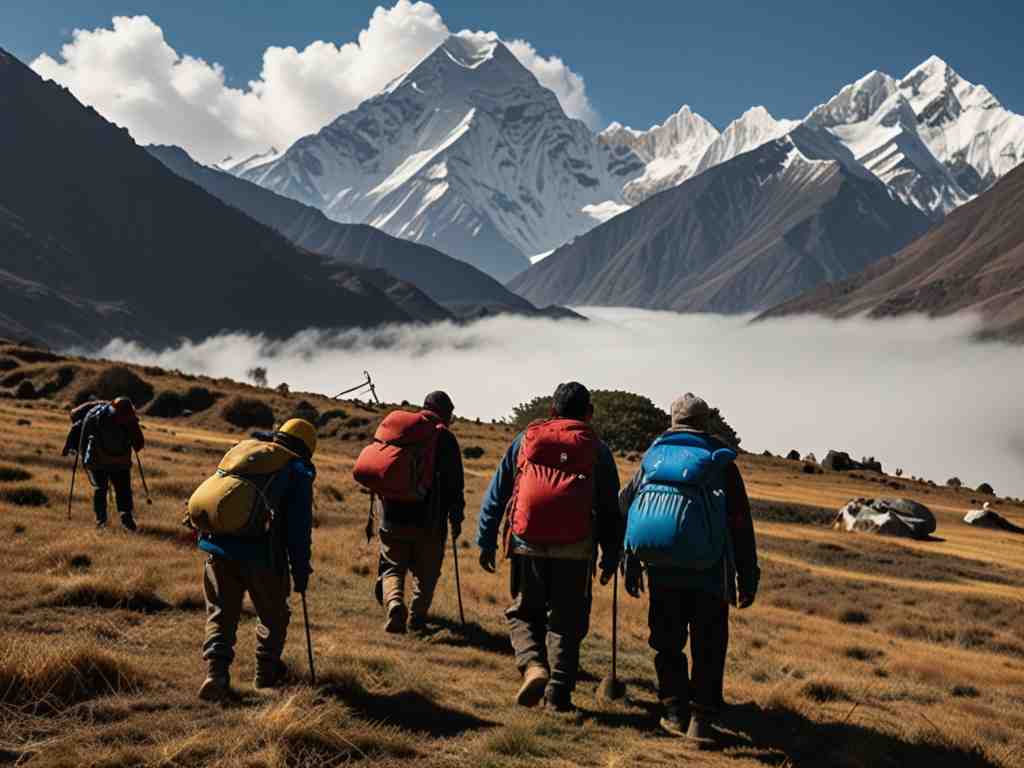
The Sherpa people's connection to the Himalayas is not merely physical but deeply spiritual. This relationship fosters a strong sense of environmental stewardship. Sherpas have traditionally lived in harmony with nature, practicing sustainable agriculture and resource management. However, the environmental impact of increased tourism and climate change poses significant threats. Melting glaciers, unpredictable weather patterns, and the influx of waste are pressing issues. In response, Sherpa communities, along with organizations like the Sagarmatha Pollution Control Committee (SPCC), are implementing initiatives to promote eco-friendly tourism, waste management, and conservation efforts to protect their pristine environment.
Sherpa Medicine and Healing Practices
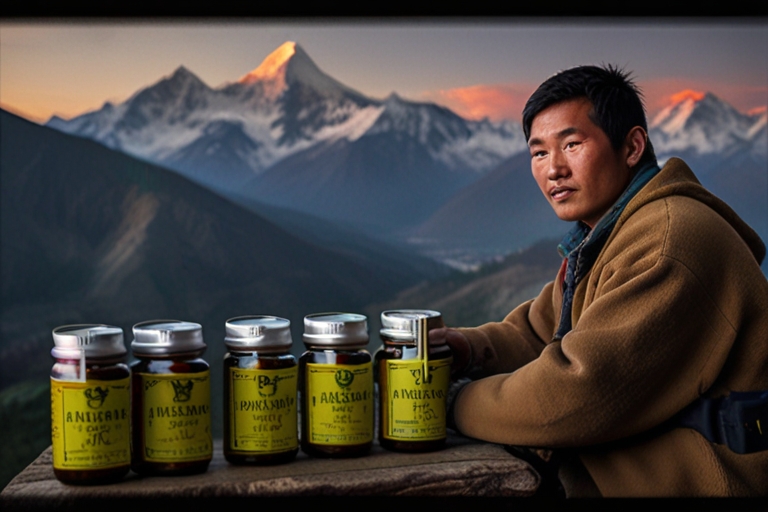
Traditional Sherpa medicine is an integral part of their culture, blending ancient Tibetan practices with local herbal knowledge. Sherpa healers, known as amchis, utilize a holistic approach to health, incorporating spiritual rituals, herbal remedies, and physical therapies. Amchis are often trained through rigorous apprenticeships, where they learn to diagnose ailments by observing symptoms, examining urine samples, and feeling the pulse. They use a variety of locally sourced herbs to create medicines, some of which are grown in high-altitude medicinal gardens. Spiritual healing practices, such as prayers, mantras, and offerings, are also employed to address ailments believed to be caused by spiritual imbalances. The role of the amchi is highly respected within Sherpa communities, and efforts are underway to preserve and document these traditional healing practices for future generations.
Sherpa Arts and Crafts
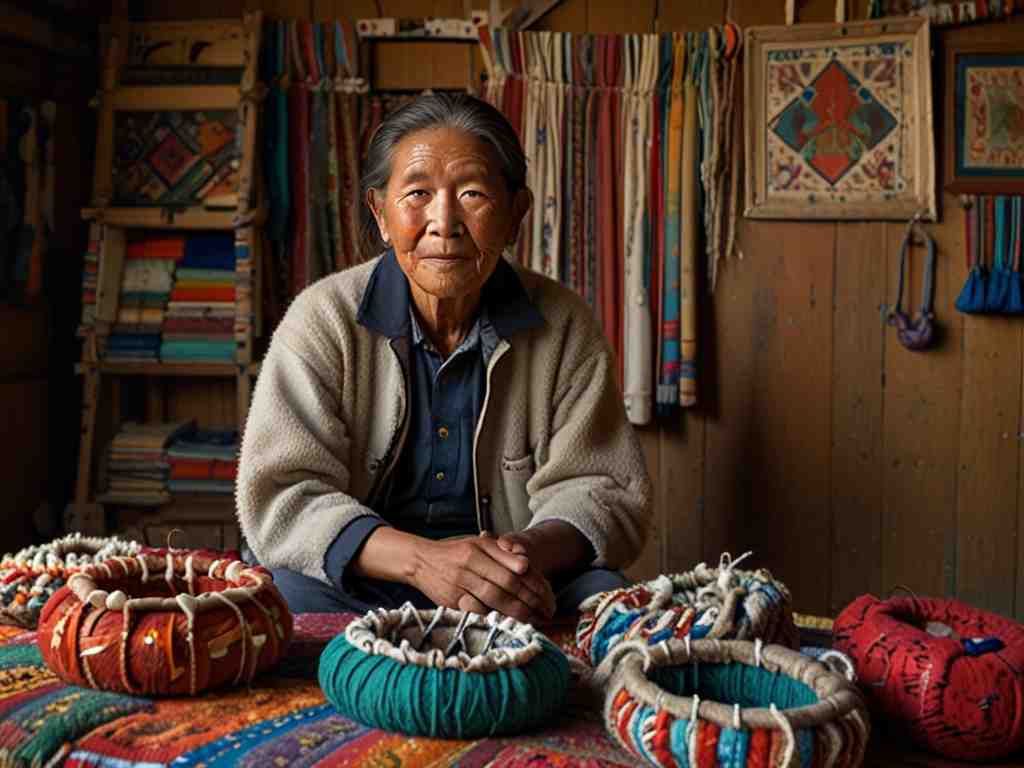
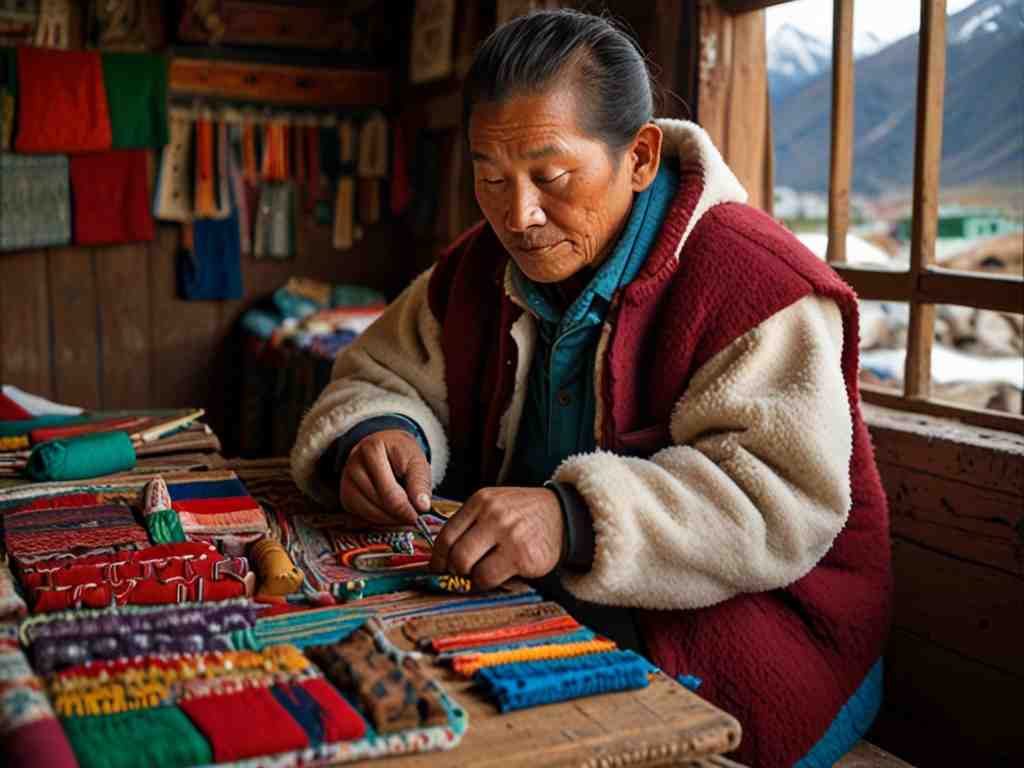
The Sherpa people are skilled artisans, with a rich tradition of arts and crafts that reflect their cultural and religious heritage. Thangka painting is a prominent art form, involving intricate, hand-painted Buddhist scrolls that depict deities, mandalas, and religious scenes. These paintings are not only artistic expressions but also serve as tools for meditation and teaching. Sherpa woodcarving is another significant craft, evident in the detailed decorations of monasteries, homes, and furniture. Artisans carve intricate patterns and religious symbols into doors, windows, and household items, imbuing everyday objects with cultural significance. Weaving is also an important skill, with Sherpa women producing beautiful, handwoven textiles used for clothing, rugs, and ceremonial items. These crafts are often passed down through generations, ensuring the preservation of traditional techniques and styles.
Sherpa Cuisine and Agricultural Practices
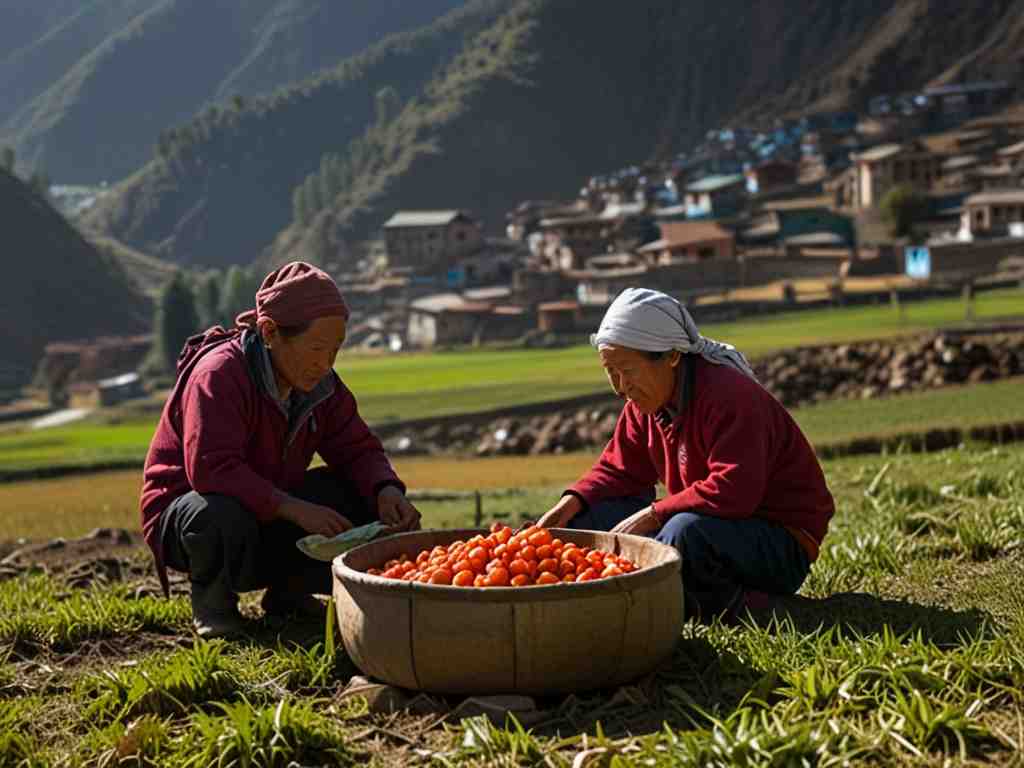
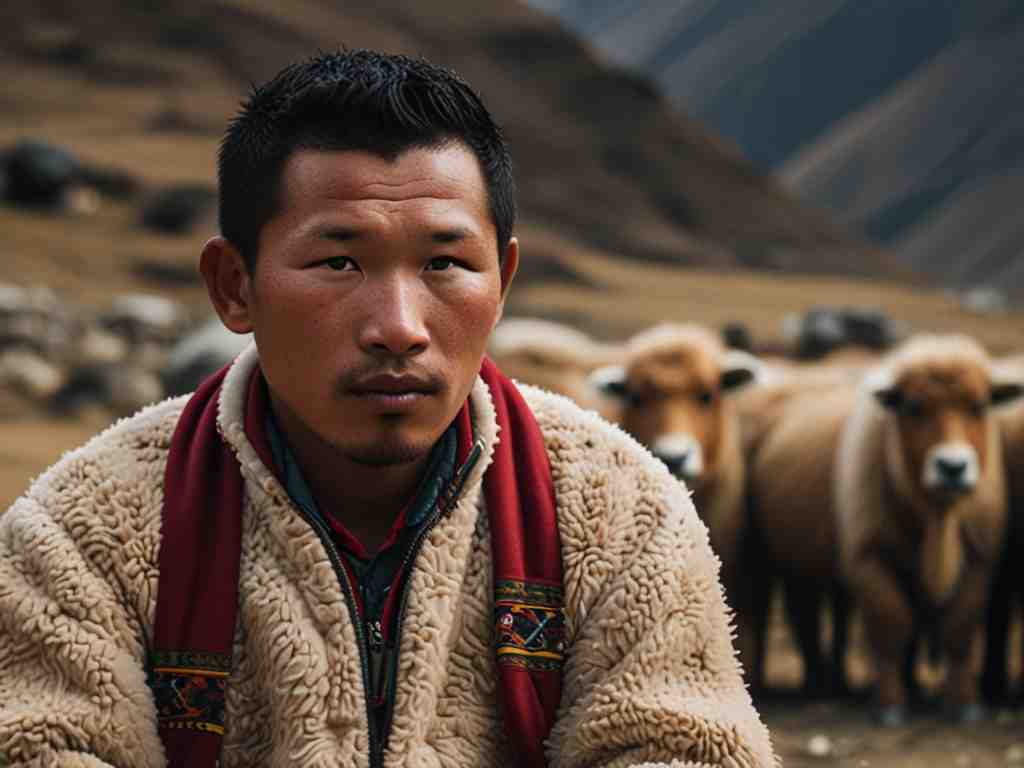
Sherpa cuisine is a reflection of the harsh yet bountiful environment in which they live. The diet is predominantly vegetarian, relying heavily on locally grown produce and dairy products. Potatoes, a staple crop introduced to the region in the 19th century, are used in various dishes, such as aloo dum (spicy potato curry) and aloo roti (potato pancakes). Yak, a central figure in Sherpa life, provides milk, butter, and meat, essential for nutrition and economic stability. Dairy products like chhurpi (dried cheese) and yak butter are dietary staples. The preparation of these foods is often communal, with families coming together to cook and share meals. The agricultural practices of the Sherpa people are adapted to the high-altitude terrain, with terraced fields and ingenious irrigation systems that maximize productivity while preserving the fragile mountain ecosystem.
Sherpa Music and Dance
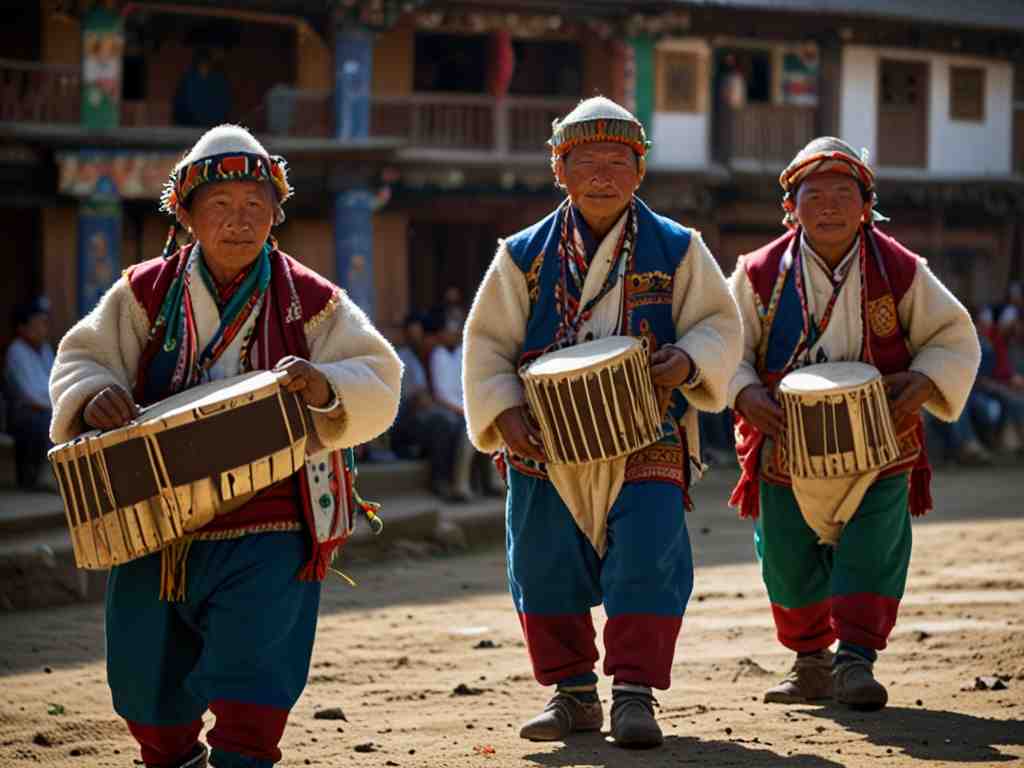
Music and dance are vital elements of Sherpa cultural expression, often performed during festivals, religious ceremonies, and social gatherings. Traditional Sherpa music features instruments such as the damphu (a small drum), gyaling (a type of oboe), and lingbu (a bamboo flute). Songs often tell stories of love, nature, and spiritual devotion, preserving oral history and folklore. Sherpa dances, such as the mask dance performed during Mani Rimdu, are deeply symbolic and often involve elaborate costumes and masks representing various deities and spirits. These performances are not only entertaining but also serve as a means of cultural education, teaching younger generations about their heritage and values. Music and dance provide a sense of community and continuity, ensuring that cultural traditions remain vibrant and relevant.

Education and Modernization
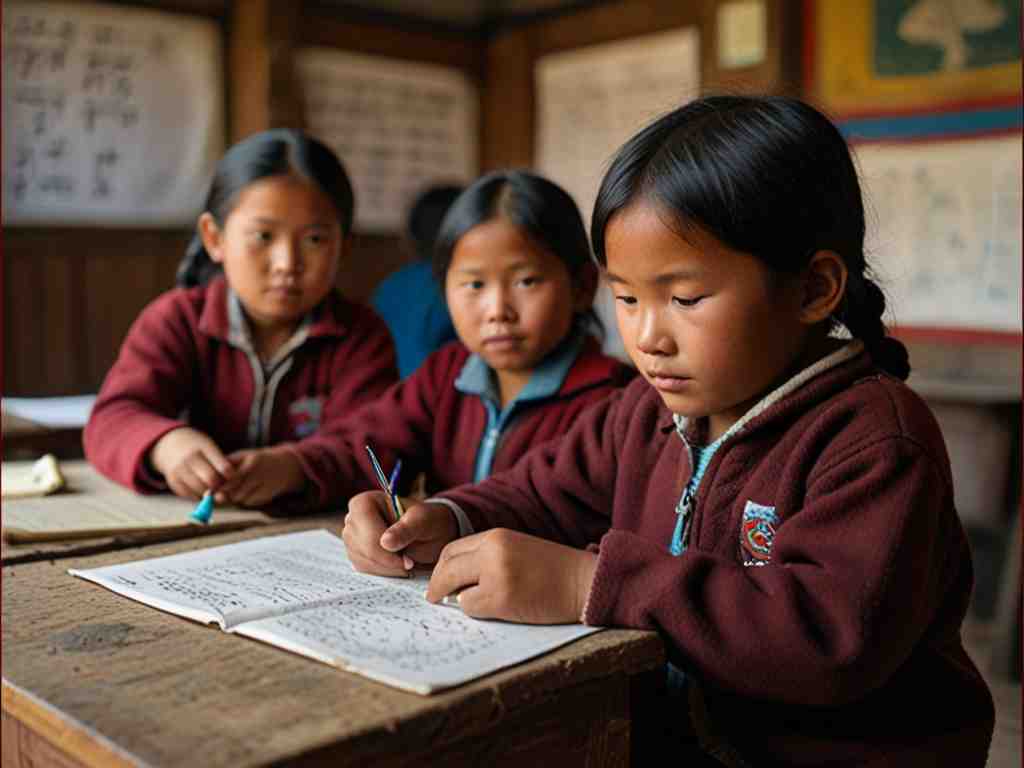
Education in Sherpa communities has seen significant improvements over the past few decades, largely due to the efforts of local and international organizations. Schools like the Khumjung School, founded by Sir Edmund Hillary, provide quality education to Sherpa children, offering them opportunities that previous generations did not have. The curriculum often includes traditional subjects alongside lessons in Sherpa language and culture, aiming to balance modern education with cultural preservation. Scholarships and vocational training programs are also available, enabling Sherpa youth to pursue higher education and diverse career paths. However, the challenge remains to integrate modern education while maintaining the cultural identity of the Sherpa people. Community leaders and educators work together to ensure that modernization does not come at the cost of cultural erosion.
The Role of Sherpa Women in Society
Sherpa women are central to the social and economic fabric of their communities, balancing traditional roles with modern responsibilities. Historically, women have managed households, agricultural work, and the weaving of textiles. Today, many Sherpa women are also involved in the tourism industry, running lodges and tea houses, and guiding treks. Education and empowerment initiatives have opened new opportunities, with Sherpa women pursuing careers in healthcare, education, and business. Organizations like the Khumbu Women’s Group support women’s development through training programs, advocacy, and microfinance initiatives. The evolving role of Sherpa women reflects broader social changes, as they navigate the complexities of maintaining cultural traditions while embracing new opportunities.
The Future of Sherpa Culture
The future of Sherpa culture is shaped by both challenges and opportunities. Globalization and tourism bring economic benefits but also pose risks of cultural dilution and environmental degradation. The younger generation faces the task of balancing modern aspirations with the preservation of their heritage. Community-driven initiatives and international support are crucial in this endeavor. Programs focused on sustainable tourism, cultural education, and environmental conservation aim to protect the unique heritage of the Sherpa people. As they adapt to changing times, the resilience and resourcefulness of the Sherpa community will play a key role in ensuring that their rich cultural legacy continues to thrive.
Conclusion
The Sherpa people, with their unique blend of spirituality, tradition, and mountaineering excellence, offer a fascinating glimpse into life in the Himalayas. Their cultural practices, from traditional medicine to music and dance, provide a rich tapestry of history and identity. Despite the challenges posed by modernization and environmental change, the Sherpas remain committed to preserving their way of life. Through education, community initiatives, and sustainable practices, they strive to maintain their cultural heritage while embracing the opportunities of the modern world. The story of the Sherpa people is one of resilience, adaptability, and a profound connection to their majestic mountain homeland. By understanding and appreciating their traditions, we gain a deeper respect for this remarkable community and their enduring legacy.

Recent From Blogs

21 Apr 2024


26 May 2024


29 May 2024