


By Actual Holidays Nepal 28 May 2024
High Altitude Trekking: A Guide To Preparation, Challenges, And Rewards
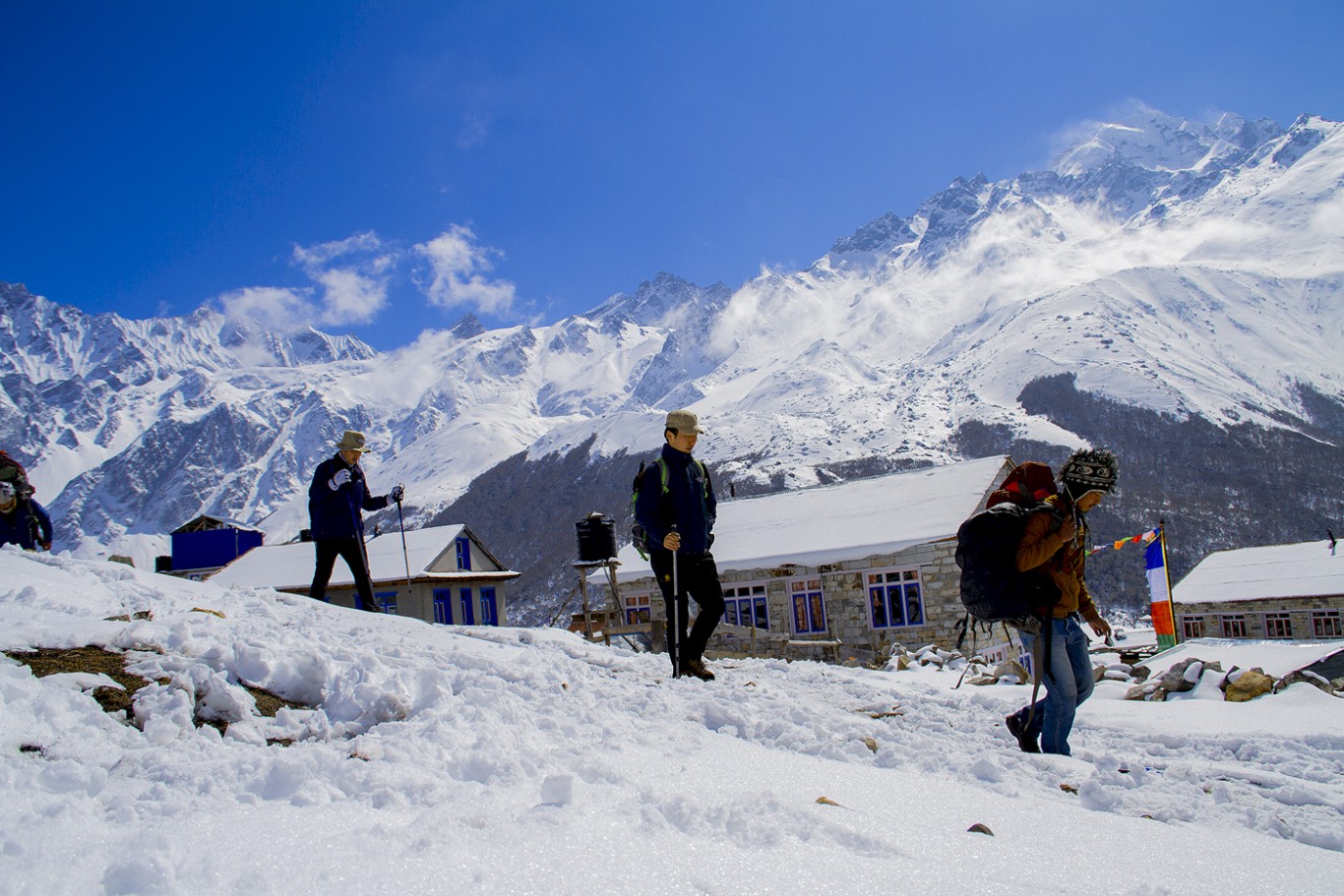
High altitude trekking in Nepal is an adventure like no other. From the towering peaks of the Himalayas to the stunning landscapes of the Annapurna and Everest regions, these treks offer unparalleled beauty and a profound sense of accomplishment. However, the journey to these lofty heights comes with its own set of challenges. Proper preparation is crucial to ensure a safe and enjoyable experience. In this blog, we'll delve deeply into the essentials of high altitude trekking, including comprehensive preparation tips, the various challenges you might face, and the incredible rewards that await you
Preparation
Preparation is the cornerstone of a successful high altitude trek. It begins months before you set foot on the trail. Building your physical fitness is paramount. Cardiovascular exercises such as running, cycling, and swimming are excellent for building stamina, while strength training can help prepare your muscles for the rigors of trekking. Incorporate exercises that focus on leg strength, core stability, and endurance. It’s also beneficial to do practice hikes at lower altitudes to get used to long days on your feet and carrying a pack. These practice hikes can also help break in your trekking boots and test your gear. Mental preparation is equally important. High altitude trekking is not just a physical challenge; it’s a mental one as well. Understanding that the trek will be difficult but immensely rewarding can help keep you motivated. Visualization techniques and positive affirmations can be useful tools to prepare your mind for the journey ahead. Investing in high-quality gear is essential for your safety and comfort. A sturdy pair of trekking boots, moisture-wicking clothing, a reliable backpack, and weather-appropriate layers are fundamental. Your clothing should include base layers, insulating layers, and a waterproof and windproof outer layer. Don’t forget essential accessories like trekking poles, a headlamp, and a water purification system. Trekking poles can significantly reduce the impact on your knees and help with balance on uneven terrain. It’s also wise to bring a comprehensive first aid kit, including medications for altitude sickness, which can be a lifesaver.

Acclimatization
One of the most critical aspects of high-altitude trekking is acclimatization. Ascending too quickly can lead to Acute Mountain Sickness (AMS), which can be life-threatening if not addressed. Acclimatization allows your body to adjust to the lower oxygen levels at high altitudes. A gradual ascent is crucial; many trekking itineraries in Nepal include rest days to help your body adjust. During these acclimatization days, it’s recommended to take short hikes to higher altitudes and then return to a lower altitude to sleep, a practice known as “climb high, sleep low.” This practice helps stimulate your body's physiological adaptation to altitude.
Nutrition and Hydration
Maintaining proper nutrition and hydration is vital at high altitudes. Dehydration can occur quickly due to the dry air and physical exertion, so drink plenty of water throughout the day. Aim for at least 3-4 liters of water per day. Avoid alcohol and caffeine as they can exacerbate dehydration and disrupt sleep patterns. Eating a balanced diet rich in carbohydrates is important as they provide the necessary energy for trekking. Many trekking routes have teahouses that offer a variety of meals, but it’s wise to carry some high-energy snacks like nuts, dried fruits, and energy bars. These snacks can provide a quick energy boost during long trekking days.

Health and Safety
Health and safety should always be a priority. Recognize the symptoms of altitude sickness, which include headache, nausea, dizziness, and shortness of breath. If you experience these symptoms, it’s important to rest and, if necessary, descend to a lower altitude. Do not ignore these symptoms, as altitude sickness can escalate quickly. Consult with your trekking guide; they are trained to handle altitude sickness and other medical emergencies. Insurance is another critical aspect of high altitude trekking. Make sure you have comprehensive travel insurance that covers high altitude trekking and potential evacuation costs. In remote areas, helicopter evacuations can be expensive but are sometimes the only option in a serious medical situation. Your insurance should also cover medical treatment and repatriation.

The Challenges
High altitude trekking presents a unique set of challenges. The reduced oxygen levels at high altitudes can make every step feel like a major effort, even for seasoned trekkers. The air is thinner, meaning your body has to work harder to get the oxygen it needs. This can lead to fatigue and breathlessness, making progress slow and difficult. The weather can also be unpredictable, with sudden changes that can bring intense cold, snow, and high winds. It’s essential to be prepared for all weather conditions. Layering your clothing can help you adjust to temperature changes throughout the day. Navigating rough, rocky terrain can be physically demanding and requires a good level of fitness and determination. Loose rocks, steep inclines, and slippery paths can pose significant risks, so maintaining focus and caution is crucial. Additionally, the remote nature of high altitude treks means that amenities and medical facilities are limited. It’s important to be self-sufficient and well-prepared to handle any situation that arises. This includes having a well-stocked first aid kit, knowing basic first aid, and understanding the symptoms of altitude sickness and other common ailments. Being prepared also means having a good understanding of the trekking route and potential hazards.

The Rewards
Despite the challenges, the rewards of high altitude trekking are immense. The sense of achievement upon reaching your destination, whether it’s Everest Base Camp, the Annapurna Circuit, or any other high-altitude trek, is indescribable. Standing at the foot of the world’s highest peaks, surrounded by the majesty of the Himalayas, is a moment of pure triumph and awe. The stunning panoramic views of snow-capped peaks, glacial valleys, and pristine landscapes are unparalleled. The beauty of the Himalayas is breathtaking and offers a profound sense of peace and connection with nature. Cultural immersion is another significant reward. Trekking through remote villages allows you to experience the rich traditions and hospitality of the local communities. You’ll have the opportunity to interact with Sherpas, Tamangs, and other ethnic groups, gaining insights into their way of life, customs, and cuisine. These cultural exchanges can be as enriching as the natural beauty of the region. The camaraderie among trekkers is also a highlight. Sharing this challenging and rewarding journey with fellow adventurers fosters a strong sense of community and mutual support. You’ll create lasting memories and friendships along the way. The shared experience of overcoming challenges and celebrating achievements together is one of the most rewarding aspects of high altitude trekking.

Conclusion
High altitude trekking in Nepal is an extraordinary adventure that combines physical challenge, cultural immersion, and the awe-inspiring beauty of the Himalayas. Proper preparation, gradual acclimatization, and maintaining health and safety are essential to ensure a successful trek. While the challenges are significant, the rewards are even greater, offering an unforgettable experience that will stay with you forever. Whether you’re standing at the foot of Everest or gazing at the Annapurna Massif, the journey is sure to be one of the most rewarding endeavors of your life.

Recent From Blogs

21 Apr 2024


26 May 2024


29 May 2024