

By Actual Holidays Nepal 26 May 2024
Winter Treks In Nepal
Nepal, with its breathtaking landscapes and towering Himalayan peaks, is a trekker's paradise. While the spring and autumn seasons are traditionally the most popular times for trekking, winter treks in Nepal offer a unique and serene experience. The snow-clad mountains, tranquil trails, and clear skies make winter an appealing time for adventure enthusiasts looking to explore the less crowded paths of this beautiful country.
In this comprehensive guide, we will delve into everything you need to know about winter treks in Nepal. From the reasons why winter is an excellent time to trek, to detailed descriptions of popular and off-the-beaten-path treks, preparation tips, and safety considerations, this guide aims to equip you with all the information you need to embark on an unforgettable winter trekking adventure in Nepal.
Why Choose Winter for Trekking in Nepal?
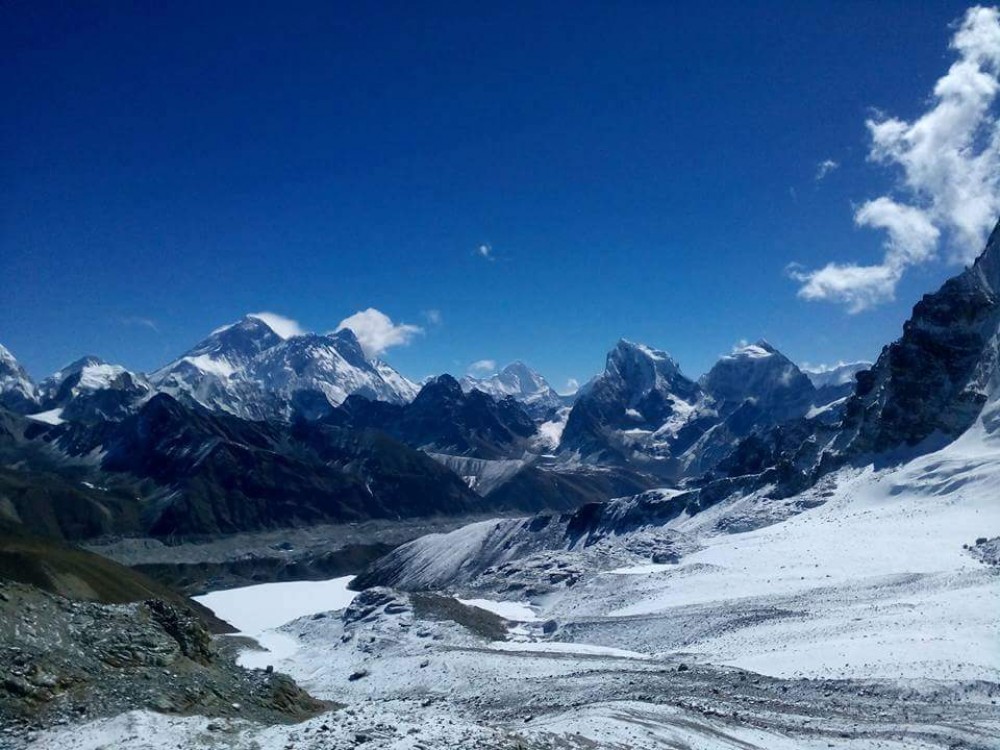
One of the most compelling reasons to trek in Nepal during winter is the tranquility and solitude you will find on the trails. Unlike the bustling spring and autumn seasons, winter sees significantly fewer trekkers. This means you can enjoy the stunning landscapes and cultural experiences without the crowds, allowing for a more personal and immersive experience. Winter in Nepal is characterized by clear skies, which offer some of the most spectacular views of the Himalayan peaks. The crisp, cold air provides excellent visibility, allowing you to capture the beauty of the mountains in their full glory. This is particularly advantageous for photographers and nature enthusiasts looking to capture pristine, postcard-worthy shots. The winter season transforms the already beautiful landscapes of Nepal into a winter wonderland. Snow-covered trails, frozen rivers, and ice-clad peaks create a magical ambiance that is unique to this time of year. The serene beauty of the winter landscapes offers a different perspective of Nepal's natural splendor. Winter is a time of festivals and cultural events in Nepal. Trekking during this season allows you to witness and participate in local festivities, providing a deeper understanding of Nepalese culture and traditions. From the Tamu Lhosar (Gurung New Year) to the lively celebrations of Christmas and New Year, there are plenty of cultural experiences to enrich your trek. While the higher elevations are blanketed in snow, the lower regions are teeming with wildlife. Winter treks offer the chance to spot rare and endangered species that inhabit the foothills of the Himalayas. With fewer trekkers on the trails, wildlife is often more visible and less disturbed, making for excellent wildlife watching opportunities.
Preparation and Packing for Winter Treks
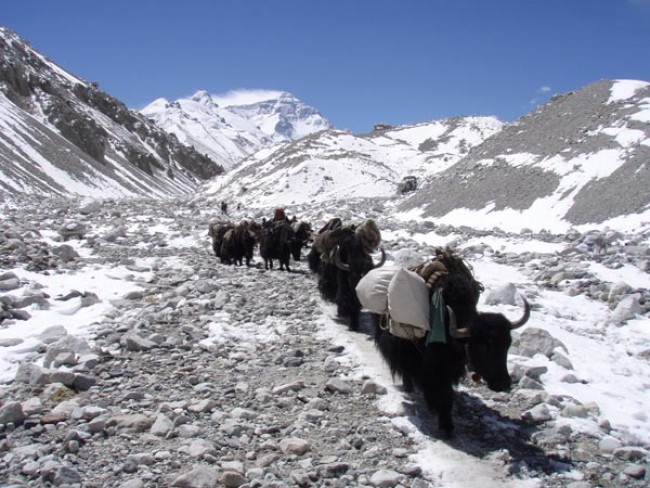
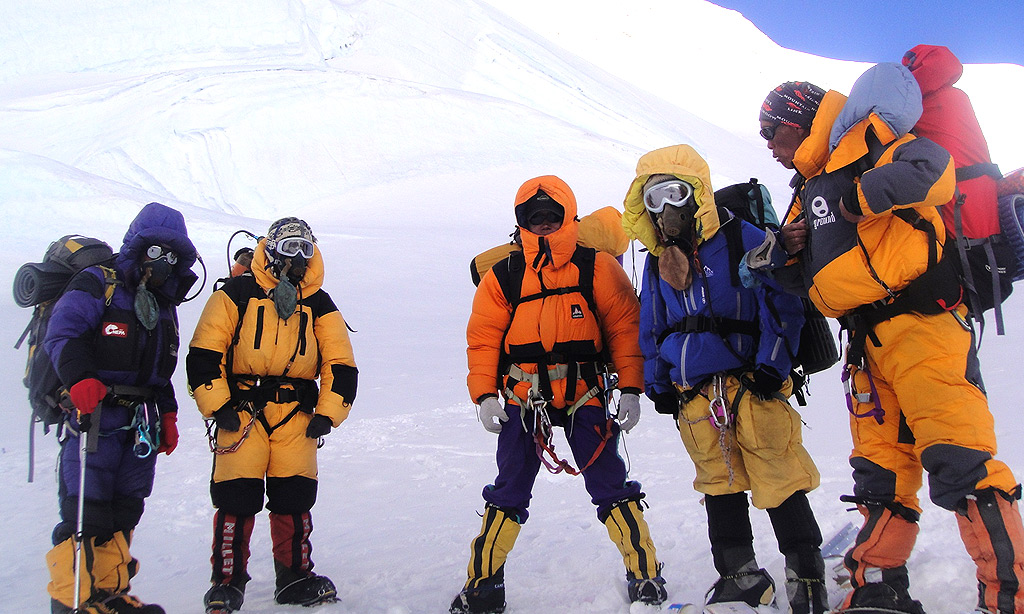
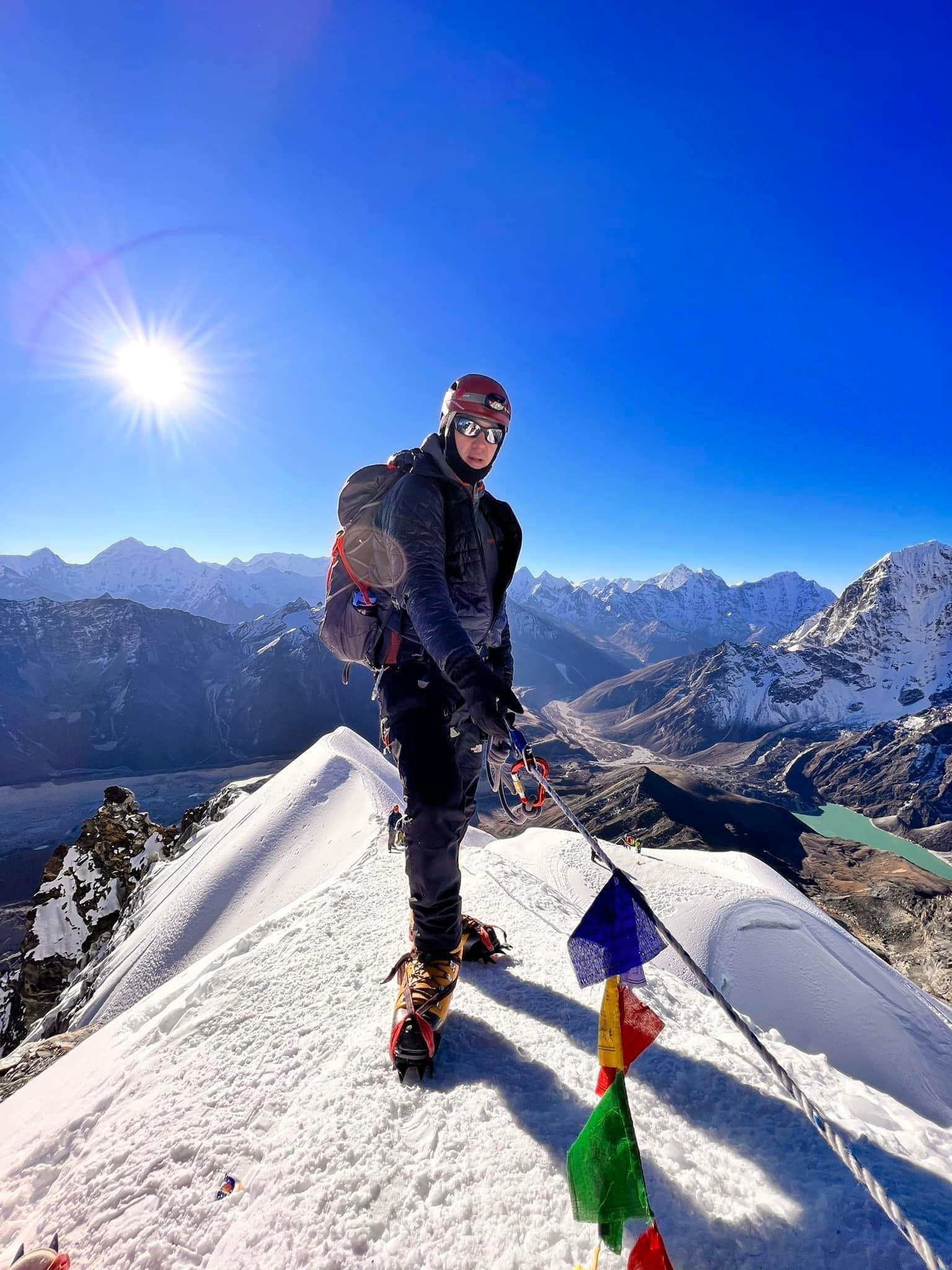
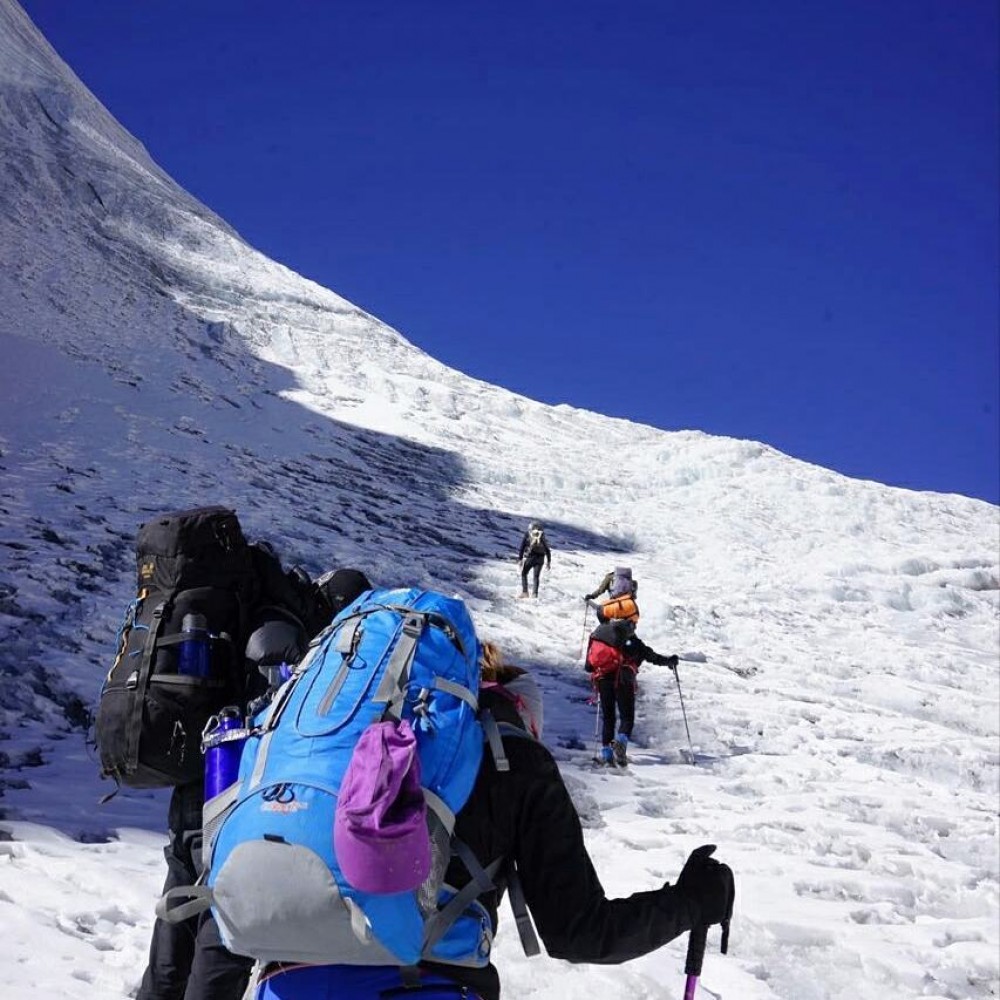
Trekking in winter requires a good level of physical fitness. The cold weather and snowy conditions can make the trek more challenging, so it's essential to be well-prepared. Engage in regular cardiovascular exercises, strength training, and endurance-building activities in the months leading up to your trek. Hiking on uneven terrain, carrying a backpack, and practicing at higher altitudes can also help acclimate your body to the conditions you will face. Packing the right gear is crucial for a successful winter trek in Nepal. Here is a comprehensive list of essential items you should bring: Base Layers: Moisture-wicking thermal tops and bottoms to keep you dry and warm. Insulating Layers: Fleece or down jackets to provide insulation. Outer Layers: Waterproof and windproof jackets and pants to protect against snow and wind. Headgear: Woolen or synthetic hats, balaclavas, and neck gaiters to keep your head and face warm. Gloves: Insulated gloves with waterproof outer layers. Footwear: Insulated, waterproof trekking boots and warm socks. Accessories: Sunglasses with UV protection, trekking poles, and a headlamp with extra batteries. Sleeping Gear: A high-quality sleeping bag rated for cold temperatures and a sleeping pad for insulation from the ground. Backpack: A sturdy backpack with a rain cover to carry your essentials. Personal Items: Sunscreen, lip balm, first aid kit, water bottles or hydration system, and personal hygiene products. Depending on the specific trek and conditions, you may also need technical equipment such as crampons, ice axes, and gaiters. It's important to check the requirements for your chosen trek and consult with your trekking agency or guide to ensure you have the necessary gear.
Wildlife and Natural Beauty in Winter
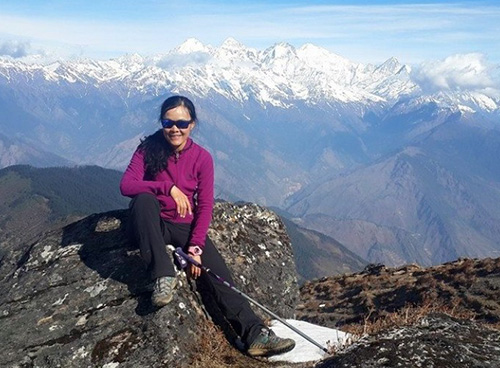
Winter transforms Nepal's landscapes into a picturesque winter wonderland. The snow-covered trails, frozen lakes, and ice-clad peaks create a magical ambiance that is unique to this season. The serene beauty of the winter landscapes offers a different perspective of Nepal's natural splendor. The lower regions of Nepal are home to diverse wildlife, and winter treks offer excellent opportunities for wildlife sightings. Animals such as red pandas, Himalayan tahr, and various species of deer are more visible during this season. Birdwatchers can also spot migratory birds that visit Nepal in winter. Several winter trekking routes in Nepal pass by natural hot springs, providing a perfect opportunity to relax and rejuvenate in the warm waters. The hot springs at Tatopani on the Annapurna Circuit and the Langtang region are particularly popular among trekkers.
Cultural Experiences on Winter Treks
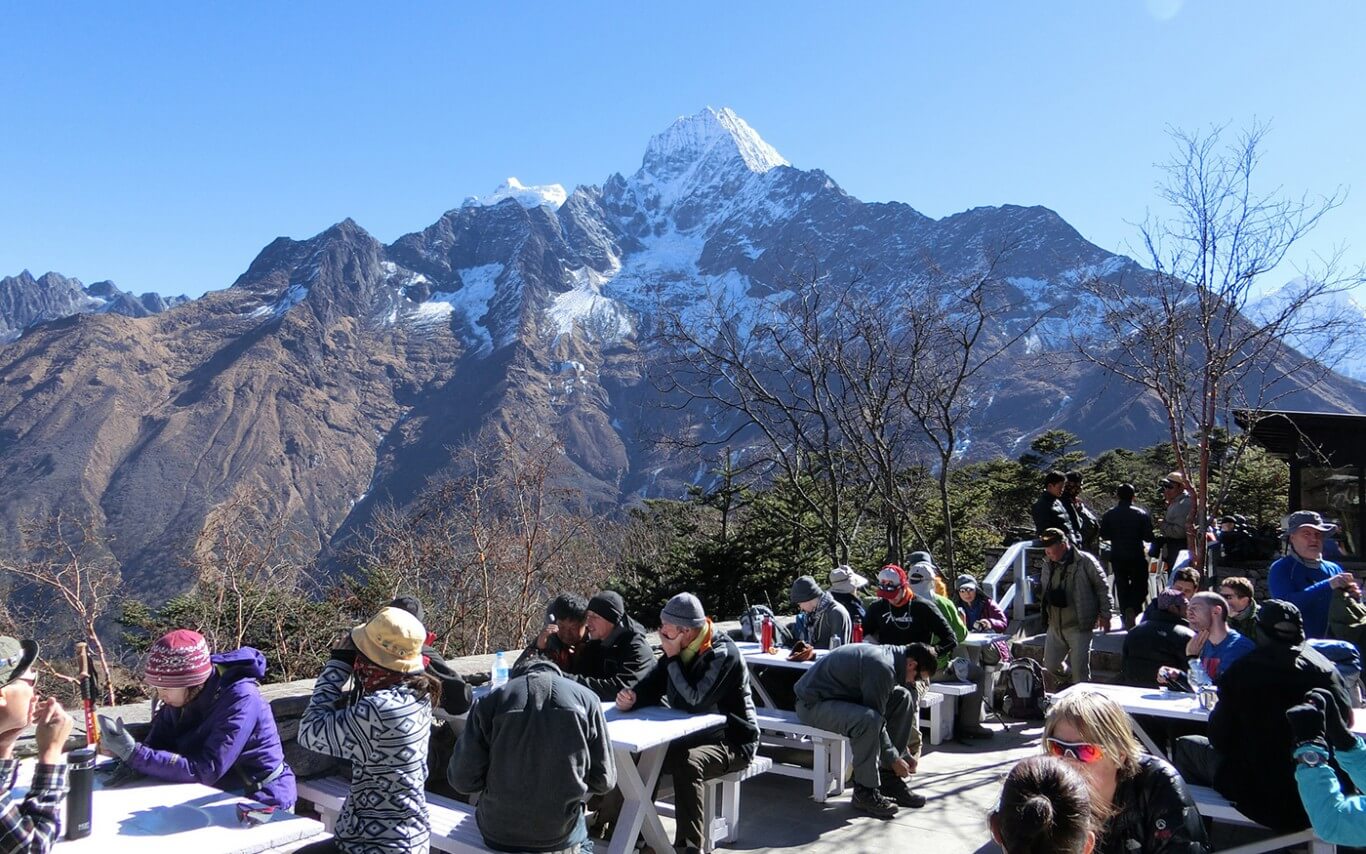
Winter is a time of festivals in Nepal, offering trekkers the chance to witness and participate in local celebrations. Festivals such as Tamu Lhosar (Gurung New Year), Christmas, and New Year are celebrated with great enthusiasm, providing a unique cultural experience. Trekking through traditional villages allows you to immerse yourself in the local culture and way of life. You can visit ancient monasteries, interact with local communities, and learn about their customs and traditions. The warm hospitality of the Nepalese people adds to the richness of the cultural experience. Many trekking routes pass by ancient monasteries and temples, offering a glimpse into the spiritual life of the local communities. These sacred sites are often beautifully decorated and provide a peaceful atmosphere for reflection and meditation.
Safety and Health Considerations
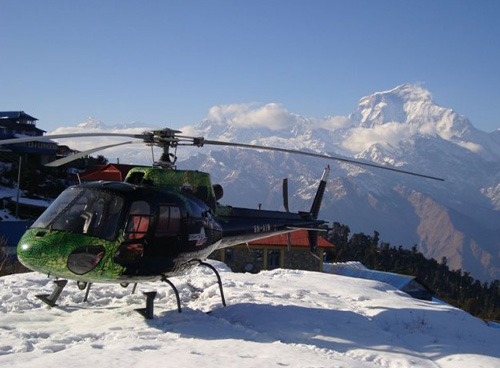
Altitude sickness is a significant concern when trekking at high altitudes. It's essential to acclimatize properly, stay hydrated, and be aware of the symptoms of altitude sickness. If you experience severe symptoms, descend to a lower altitude immediately and seek medical attention. Winter treks in Nepal involve cold weather conditions, so it's crucial to be well-prepared. Dress in layers, wear insulated clothing, and protect yourself from the cold with hats, gloves, and scarves. Frostbite and hypothermia are risks, so take precautions to stay warm. Maintaining good health and hygiene is essential during a trek. Carry a first aid kit, personal medications, and hygiene products. Ensure that you drink safe water, either by using water purification tablets or drinking bottled water. Ensure you have the necessary permits and follow the regulations for your chosen trekking route. Permits such as the TIMS (Trekkers' Information Management System) card and specific area permits (e.g., Annapurna Conservation Area Permit) are required for most treks
Weather and Climate
Winter in Nepal (December to February) is characterized by cold temperatures, especially at higher altitudes. While the lower regions experience mild temperatures, the higher altitudes can be extremely cold, with temperatures dropping well below freezing. The best time for winter treks in Nepal is from late December to early February. During this period, the weather is generally stable, and the skies are clear, providing excellent visibility for stunning mountain views. Be prepared for weather challenges such as snow and icy conditions. Carry appropriate gear, check weather forecasts regularly, and be flexible with your itinerary to accommodate any weather-related changes.
Accommodation and Food
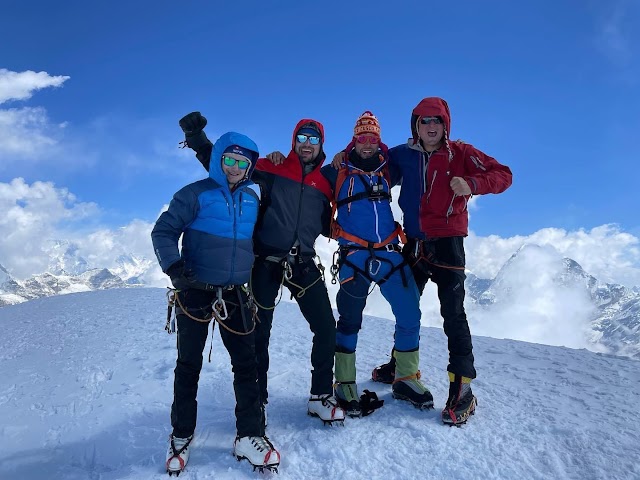
Accommodation on winter treks is primarily in tea houses and lodges. These provide basic facilities, including a bed, meals, and sometimes hot showers. The tea houses are warm and cozy, offering a comfortable place to rest after a day's trek. Meals in tea houses typically include a variety of Nepalese and international dishes. Dal Bhat (rice with lentil soup), momos (dumplings), noodles, and pancakes are common options. Carrying some high-energy snacks like nuts, chocolate, and energy bars can be useful for the trek. Winter is a less busy season for trekking, so accommodation is generally more readily available. However, it's still advisable to book in advance, especially for popular trekking routes, to ensure a comfortable stay.
Local Guides and Porters
Hiring a local guide can greatly enhance your trekking experience. Guides are knowledgeable about the routes, culture, and safety protocols. They can also assist with navigation, communication, and any challenges that may arise during the trek. Employing porters to carry your heavy gear allows you to trek more comfortably and focus on enjoying the journey. Porters are experienced in carrying loads over rugged terrain, making your trek more manageable. By hiring local guides and porters, you contribute to the local economy and support the livelihoods of the people in the trekking regions. It's a sustainable and responsible way to trek in Nepal.
Environmental and Ethical Considerations
Practicing Leave No Trace principles is essential to minimize your environmental impact. This includes packing out all your trash, avoiding damage to natural and cultural sites, and respecting wildlife. Choose trekking agencies and accommodations that prioritize sustainability. Look for eco-friendly practices, such as using solar energy, recycling, and supporting local conservation efforts. Respect the local culture and customs by dressing modestly, seeking permission before taking photographs, and being mindful of local traditions. Showing respect and understanding for the local way of life enriches your trekking experience.
Post-Trek Activities
After a challenging winter trek, take time to relax and recover. Enjoy a massage, visit a spa, or simply rest and reflect on your journey. Spend some time exploring the vibrant cities of Kathmandu and Pokhara. Visit historical sites, temples, and markets, and immerse yourself in the rich cultural heritage of Nepal. Nepal offers a range of adventure activities beyond trekking. Consider trying white-water rafting, paragliding, bungee jumping, or a scenic mountain flight for an adrenaline-filled experience.
Conclusion
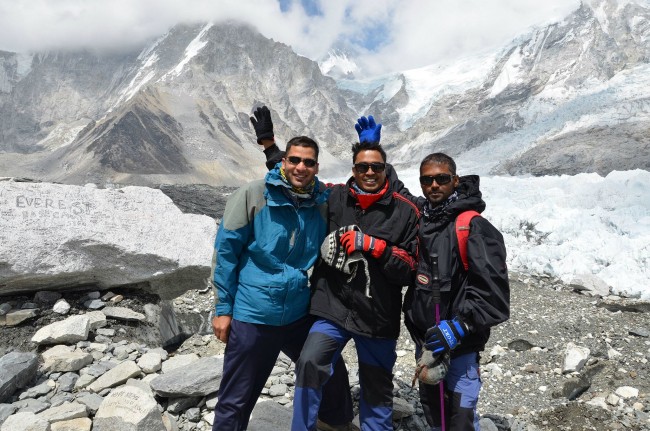
Winter treks in Nepal offer a unique and rewarding experience, combining the serene beauty of snow-covered landscapes with the rich cultural heritage of the region. With proper preparation, the right gear, and a sense of adventure, you can enjoy a safe and memorable winter trekking adventure. Whether you choose a popular route like the Everest Base Camp Trek or explore off-the-beaten-path trails, the winter season provides a tranquil and breathtaking backdrop for your journey in the Himalayas. Embrace the challenge, immerse yourself in the local culture, and create lasting memories on your winter trek in Nepal.
Recent From Blogs

21 Apr 2024


26 May 2024


29 May 2024